

Summary: Winter can make eating and drinking well harder for some older people, especially if appetite is lower, shopping feels more difficult or cold weather means spending more time at home. These six winter nutrition tips focus on warm, manageable meals, regular drinks, vitamin D and the signs that mean it is worth speaking to a GP or another healthcare professional.
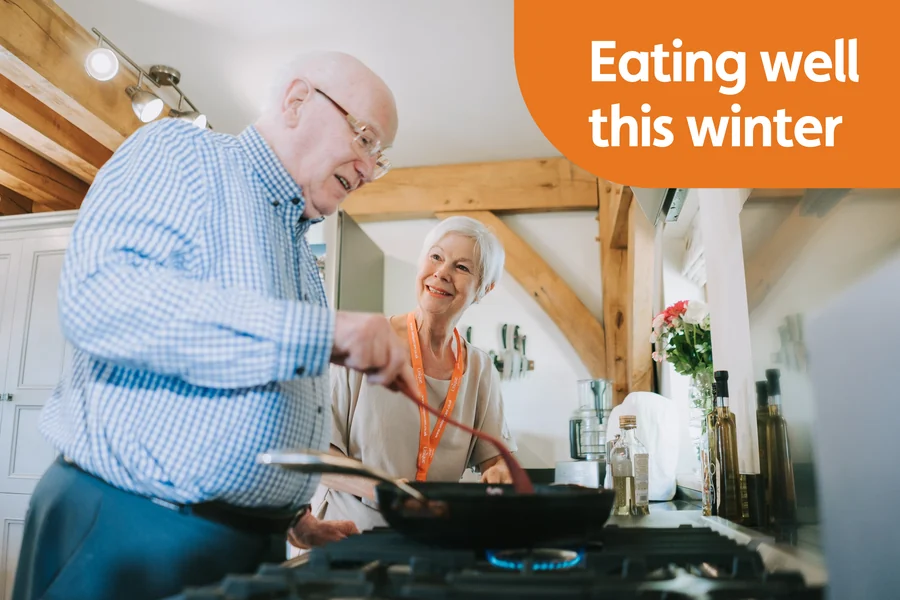
When the weather turns colder, it can be surprisingly easy for meals to become a bit more hit and miss. Perhaps your mum no longer fancies cooking in the evening, your dad is going out to the shops less often, or you have noticed that the usual cup of tea is replacing lunch more often than it used to.
That does not automatically mean something is wrong. But winter can add a few extra hurdles around food and drink, so it is worth making everyday meals as easy, appealing and practical as possible. This guide focuses specifically on eating well through the colder months. For broader, year-round advice, see our guide to simple nutrition tips for older adults.
Contents
Why winter nutrition can be harder for older people
There is no special “winter diet” that every older person needs. The basics are still a varied, balanced diet and enough to drink. What changes in winter is often the routine around food.
Cold or icy weather can make shopping harder. Shorter days may mean less time out of the house. Illness, tiredness or living alone can make cooking feel like more effort. Ageing can also bring changes in appetite, taste, smell and thirst, which can make regular meals and drinks easier to forget. The British Dietetic Association’s guidance on eating, drinking and ageing well highlights the importance of nutrient-rich food, protein and regular fluids in later life.
Winter is therefore less about chasing particular “superfoods” and more about making good food easy to reach, easy to prepare and enjoyable to eat.
6 winter nutrition tips for older people
1. Build a warm meal around protein, vegetables and a starchy food
On a cold day, a warm meal can be much more appealing than something straight from the fridge. Age UK suggests trying to have at least one hot meal a day during colder weather, alongside hot drinks if you enjoy them.
It does not need to be elaborate. A bowl of lentil soup with bread, fish pie with vegetables, beans on toast, a jacket potato with tuna, or a simple stew can all work well. Try to include a source of protein such as eggs, fish, meat, beans, lentils, yoghurt or cheese, particularly as protein remains important for maintaining muscle as we get older.
If cooking from scratch every day is unrealistic, frozen vegetables, tinned pulses, tinned fish and ready-prepared meals can all have a place. The useful question is not “Is this perfect?” but “Will this help someone eat a proper meal today?”
2. Keep smaller meals and easy snacks available when appetite is low
Large plates can feel off-putting when someone is not very hungry. Smaller meals more often can feel much more manageable. A yoghurt, scrambled egg on toast, cheese and crackers, porridge made with milk, a banana with nut butter, or a small bowl of soup can all be easier than facing a full dinner.
If someone is losing weight without trying, do not simply assume they need bigger portions. Unplanned weight loss can have many causes and should be checked. The NHS advice on malnutrition recommends speaking to a GP if there has been significant unintentional weight loss, a persistent loss of appetite, weakness or other signs of undernutrition.
3. Stock the cupboard and freezer for bad-weather days
One of the most practical winter changes is simply having a back-up plan. If icy pavements, illness or poor weather make it difficult to get to the shops, a few dependable foods at home can prevent a missed meal.
Useful basics could include:
Batch cooking can help too. Freeze individual portions rather than one large container so a meal can be reheated without creating extra work or waste.
4. Keep drinking regularly, even when it is cold
Hydration can be easy to overlook in winter because a cold day does not always make us think about drinking. Older adults are also more at risk of dehydration. The NHS lists signs of dehydration including dark yellow urine, peeing less often, dizziness, tiredness and a dry mouth.
Aiming for regular drinks throughout the day is much more beneficial than waiting until someone feels thirsty. Water, milk, squash, tea and coffee can all contribute to fluid intake. Warm drinks, soups and milky drinks may be particularly appealing in colder weather.
If someone has been given specific advice about how much they should drink because of a medical condition, always follow the healthcare team’s guidance rather than a general target.
5. Make winter food easy to enjoy, not just nutritious
If taste or smell has changed, food can become less interesting. The British Nutrition Foundation notes that changes in taste and smell can affect appetite as we get older, so making food colourful and adding herbs and spices can help keep meals appealing.
Think about the whole mealtime too. Would a smaller plate help? Is the room warm enough to sit comfortably? Would company make lunch more enjoyable? Could someone choose between two meals rather than being told what has been prepared?
These details can matter just as much as the recipe as food is more likely to be eaten when it still feels familiar, enjoyable and chosen.
6. Remember the NHS vitamin D advice for autumn and winter
Vitamin D deserves a specific mention because UK guidance changes with the seasons. The NHS advises adults to consider a daily 10 microgram vitamin D supplement during autumn and winter, when sunlight is not strong enough for the body to make enough vitamin D.
People who are not often outdoors, including some people who are frail or housebound, may be advised to take vitamin D throughout the year. If you are unsure whether a supplement is suitable, particularly alongside existing medicines or health conditions, ask a pharmacist, GP or other healthcare professional.
When changes in eating or drinking need medical advice
Eating a few lighter meals during a short illness is not concerning in the same way as a lasting change in appetite or weight. It’s more important to spot it if it becomes a pattern.
Speak to a GP if someone is losing weight without trying, regularly has little interest in food or drink, seems increasingly weak, or you are worried they may be malnourished. It is also worth asking for help if chewing or swallowing has become difficult, because that needs proper assessment rather than trial and error at home.
If a change in appetite, weight or drinking has appeared suddenly, do not assume winter is the cause. New symptoms can have many explanations and may need medical assessment.
How home care can support winter meals and nutrition
Sometimes the difficulty is not knowing what to eat. It is getting the shopping done, having the energy to cook, remembering to drink, or simply not wanting to sit down to a meal alone.
That is where practical support can help. Depending on the care plan, a Caregiver might help with shopping, prepare familiar meals, make drinks, leave suitable snacks within reach or provide company at mealtimes. Our nutritional support service explains how this can be built into managed home care, with support from the wider care team where needs change.
For help with shopping, cooking and everyday household tasks, you can also read about our home help and domestic support. The aim is not to take over a routine that someone can still manage. It is to make eating well feel easier and more consistent where a little support would genuinely help.
If you are noticing that an older relative is skipping meals more often this winter and you are not sure whether they need practical help, nutritional support or a medical review, start with the concern in front of you. A GP can help with unexplained weight loss or appetite changes. If day-to-day support at home is becoming harder to manage, our team can talk through your options and explain what home care could realistically help with.
External references
- British Dietetic Association: Eating, drinking and ageing well
- Age UK: How to keep warm and healthy in winter
- British Nutrition Foundation: Nutrition for older people
- NHS: Dehydration
- NHS: Malnutrition
- NHS: Vitamin D
Unique Senior Care is a regulated provider of live-in and visiting care. This article provides general information and does not replace advice from a GP, dietitian, pharmacist or other healthcare professional.

Jo joined Unique Senior Care as a Carer in 2011, transitioning from a nursing background. With 25 years of experience in health and social care, including mental health and children with disabilities, Jo has embraced numerous growth opportunities within the company.
Passionate about learning and development, Jo earned a Level 5 Diploma in this field and is committed to equipping teams with the skills needed for outstanding care.
Jo’s qualifications include advanced training in people handling, risk assessment, safeguarding, basic life support, first aid, health and safety, and dementia care. Jo has also completed numerous workshops and CPD courses, such as the SCIE’s Co-Production webinar.
These accomplishments reflect Jo’s dedication to fostering a culture of safety and excellence in care.