
Tailored dementia care at home
Dementia affects not only the person living with it, but also the people who care about them. We understand how important it is for your loved one to remain at home, surrounded by familiar people, places, and routines.
Our dementia care services are designed to support this, with personalised care plans and compassionate Caregivers who adapt as needs change. Our aim is to provide reassurance, safety, and comfort for both the person receiving care and their loved ones.
Speak to a care expert





It’s been an opportunity to give my wife, who’s my long ongoing carer, two hours a week off to what she wants and there’s an element of relief to it knowing I’m not alone.




What is dementia?
Dementia is a term used to describe a group of symptoms caused by diseases that affect the brain. These symptoms can affect memory, thinking, communication, and the ability to carry out everyday activities.
Dementia is not a single disease. It is an umbrella term for a number of conditions that damage the brain and affect how it works.
Alzheimer’s disease is the most common cause of dementia, but there are several other types, including vascular dementia, dementia with Lewy bodies, and frontotemporal dementia. Each type can affect people in different ways and may progress at different rates.
How home care for dementia can support your loved one
Home care helps your loved one stay in the comfort of their home, surrounded by familiar things and people.
Personalised support helps to ease anxiety and keep routines consistent, which is especially important for someone living with dementia. Here are some of the ways your Caregiver can help:
Daily living: Help with bathing, dressing, grooming, and toileting.
Household tasks: Support with meals, laundry, and light cleaning.
Medication: Assistance with taking medication safely and on time.
Mobility: Help with movement, transfers, and safety.
Companionship: Engaging in conversation and activities.
Cognitive support: Encouraging stimulating activities and memory exercises
The Different Types of Dementia
Dementia comes in over 100 different forms, each affecting different parts of the brain and presenting unique symptoms. Below are some of the more common types:
Alzheimer's
Disease
This causes gradual memory loss, confusion, and behavioural changes.
Amyloid plaques and tau tangles disrupt brain connections, often affecting the hippocampus first, which is key to memory.
Vascular
Dementia
Vascular dementia is linked to reduced blood flow in the brain, often after a stroke or small vessel disease.
This type of dementia can affect planning, judgement, and reasoning abilities.
Lewy Body
Dementia
This type includes symptoms like visual hallucinations, motor issues, and fluctuating levels of alertness.
It's caused by protein deposits called Lewy bodies that affect chemicals in the brain, impacting both thinking and movement.
Frontotemporal
Dementia
Frontotemporal dementia affects the parts of the brain that control personality, behaviour, and language.
This can lead to significant changes in personality, making it especially challenging for families.
Download your free guide to dementia care..
Inside you’ll find clear explanations, practical tools, and step-by-step guidance to help make life easier for you and your loved one.
The Stages of Dementia
Experts recognise that dementia typically progresses through seven stages
While no two journeys are the same, understanding these stages can help you feel more prepared and in control.
Knowing what to expect can make navigating dementia a little easier, allowing families to plan ahead and adapt to their loved one’s changing needs.
An early diagnosis opens the door to valuable support, from practical resources to emotional guidance, helping to manage symptoms more effectively.
It also reduces uncertainty, giving you greater confidence in making care decisions that best support your loved one’s well-being.
Early-Stage Dementia
Stages 1 to 3
Mild forgetfulness, slight difficulty finding words, and disorientation.
Mostly independent but may need occasional support.
Patience and structure help maintain routine and reassurance.
Mid-Stage Dementia
Stages 4 to 5
Memory loss and confusion make daily tasks more difficult.
Behavioural changes like agitation, anxiety, or repetitive actions.
Increased support and structure ensure safety and wellbeing.
Late-Stage Dementia
Stages 6 to 7
Severe cognitive decline, mobility loss, and trouble communicating.
Full-time care needed for eating, mobility, and personal care.
Familiar surroundings and routine help maintain dignity and comfort.
Support From an Expert Dementia Care Provider
We ensure your Caregivers undergo extensive training so they are fully equipped to provide the best possible support to individuals living with dementia. Our dementia expertise includes:
Specialised training: Your Caregiver receives training tailored specifically to managing dementia symptoms, including effective communication techniques, behavioural management, and safety practices.
Ongoing Education: Your Caregiver will also have access to continuous education opportunities to ensure your care stays aligned with the latest in dementia care and best practices.
Collaborative Approach: Your care team works closely with healthcare professionals, including GPs and specialists, to coordinate care and make sure every aspect of a client’s health is considered.
Personalised dementia care in just 1 week or less
Simple steps to get the right care in place quickly


You're here
2. Free assessment
Call or enquire online. We’ll start with a chat and arrange a free home visit within days to ensure you get the right care.

3. Crafting your care plan
We’ll create a care plan tailored to your loved one’s needs and lifestyle.

4. Matching your Caregiver
Together we'll find a Caregiver who's a perfect match for your loved one’s needs and personality.

5. Care in place
Care usually starts within a week. Your Care Manager will attend on day one and check in again on day seven.
The Benefits of Dementia Care at Home
Choosing dementia care at home has many benefits, including:

Family involvement: We keep you informed and involved every step of the way.

Quality of life: Familiar surroundings help reduce stress and bring comfort.
Personalised support: Care adapts, ensuring dignity and reassurance.

Flexible care: Support ranges from occasional visits to full-time live-in care.

She now looks forward to the company and it brightens her day.
I really appreciate the thought and care taken to make the visits interesting and enjoyable for my mother. She now looks forward to the company and it brightens her day.
Tricia (Daughter of Client)
Support resources for dementia Caregivers
Caregiving for someone with dementia can be challenging, and many family caregivers often feel isolated or overwhelmed.
Accessing the right support can make a significant difference in managing stress and maintaining well-being. Dementia support is available through several avenues, including healthcare providers, community resources, and specialised services.
Organisations like Alzheimer's Society, Dementia UK, Age UK, and Carers UK are excellent resources for practical advice, emotional support, and connecting with others facing similar challenges.These support options can help reduce stress, provide practical advice, and ensure your loved one receives the care they need.
Our Memory Cafés
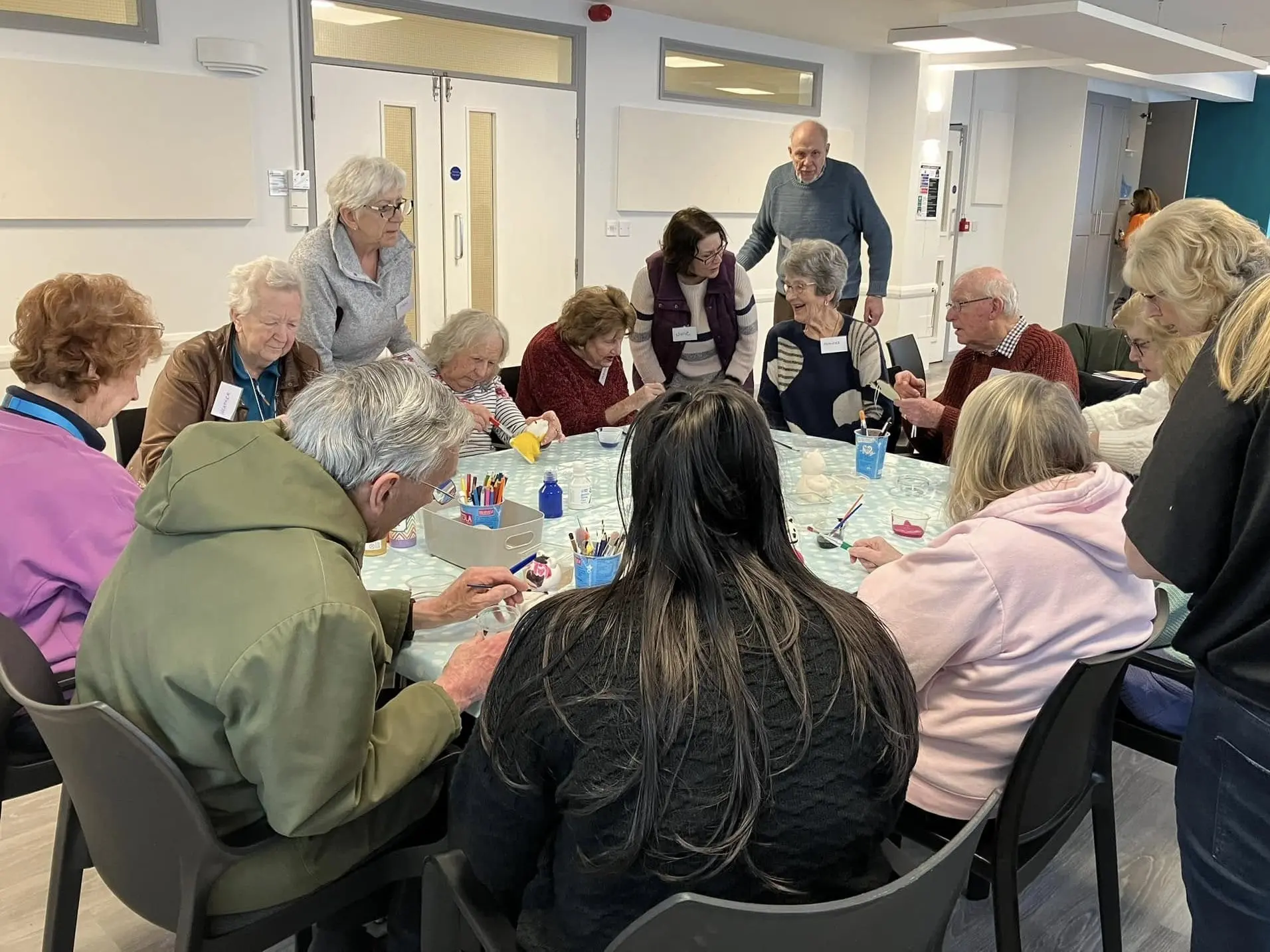
Our Memory Cafés provide a welcoming space for individuals with dementia and their caregivers to connect, share experiences, and access support.
Whether you're looking for practical advice or simply a friendly place to relax, our cafés offer a sense of community and understanding.
We currently run two weekly Memory Cafés, supporting Solihull, Knowle, Dorridge, Warwick, Kenilworth, and Leamington Spa.
Each session costs £3, including refreshments, and there's no need to book - just drop in!
What to expect
A relaxed and friendly environment
A chance to meet others facing similar challenges
Engaging activities designed to support well-being
Information and guidance from experienced professionals
Watch our dementia care tips
Get actionable advice from our experts, Jayne and Pippa, on the everyday dementia challenges Caregivers face


Funding and financial planning for dementia home care
Planning for dementia care can be complex, and it's important to understand the financial options available. Below is a brief overview:
Government
Funding
Assistance like Attendance Allowance and Carer's Allowance can help cover part of dementia care costs.
Eligibility requirements vary, so it’s worth checking official government resources.
Local Authority
Support
Councils may provide funding based on a financial assessment, which can help cover respite care, home adaptations, or personal care.
Some councils also offer direct payments, giving families more flexibility in arranging support.
Personal Savings
& Insurance
Many families rely on personal savings or long-term care insurance to help fund dementia care and related expenses.
This can provide flexibility in choosing the right level of care.
Legal
Tools
Setting up a Lasting Power of Attorney (LPA) lets a trusted person manage financial and healthcare decisions if needed.
It’s best to arrange this early to ensure future plans are in place.
Rated 9.8/10 on homecare.co.uk

One of the Top 20 Home Care Groups in 2024 - homecare.co.uk

Speak to our home care experts
Meet Stacey, your friendly expert care advisor
Navigating care can feel overwhelming, and we understand how personal this decision is. We're here to guide you every step of the way - offering advice, reassurance, and ensuring your loved one receives the highest quality care.
- Quick 30-minute call: We'll discuss your situation and provide expert advice on care options.
- Book a free assessment: If you're ready, we can arrange a no-obligation assessment to match your needs.
- Fast, flexible care setup: We can start care within days if necessary, ensuring your loved one receives prompt, personalised support.



FREE assessment enquiry
Stacey or one of our team of friendly and experienced care advisors, will be in touch as soon as possible by phone or email to discuss your home care needs.
Speak to a care expert: 0186 550 7002
Need full-time support at home?
If your loved one needs someone there through the night as well as the day, live-in dementia care may be the right step. One dedicated carer lives in your loved one's home, keeping routines consistent and giving your family peace of mind around the clock. Find out about live-in dementia care.
Frequently asked questions
Find answers to your questions about dementia care at home
Still have questions?
We're here to help!
Page written by:

With over 30 years of experience in the care industry, providing outstanding care has always been Helena’s core mission.
Helena has been a dedicated member of Unique Senior Care for 10 years, starting as Care Manager and advancing to Head of Extra Care and now serving as Director of Operations.
She holds a Level 5 Diploma in Leadership for Health and Social Care and Children and Young People’s Services (England), as well as a Diploma in Welfare Services. Helena has completed various leadership and management courses, enhancing her expertise in the care industry.
Helena has authored published articles, including one for Skills for Care on managing change through the COVID pandemic. She has a steadfast commitment to advocating for and supporting those in need, ensuring their voices are heard and their rights upheld.