
Is It Time For Care at Home? Free Care Needs Assessment
Unsure whether you or someone close to you may need more support at home?
Our free care needs assessment helps you understand how things are going day to day and whether care at home could make life safer, easier and more reassuring. In just a few minutes, you’ll receive personalised guidance to help you decide on the right next step.
It is designed for families and individuals who are noticing small changes, feeling uncertain about the next step, or simply planning ahead.
- Clear, Honest Guidance - Understand whether extra support would genuinely help.
- Personalised Care Insights - See where safety, mobility or memory may need attention.
- Fast and Free Assessment - Get clarity in minutes with no obligation.

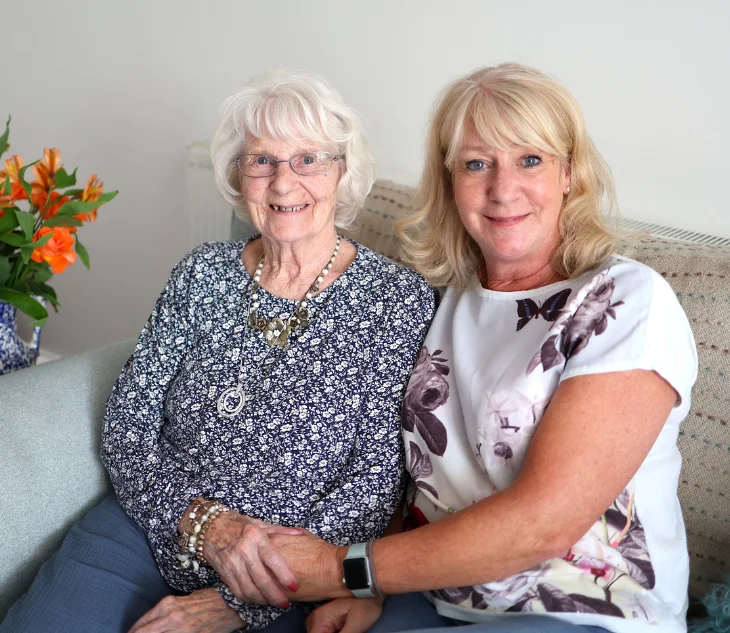


I thought the detailed explanation below the score result was very useful. - NF (Frailty Nurse)
Signs It May Be Time for Care at Home
It can be difficult to know when normal ageing becomes something that needs extra support. Often, the signs are subtle at first. If you are starting to feel unsure, the following changes may indicate that care at home could help.
- Increased falls or reduced mobility – Struggling with stairs, unsteadiness when walking, or recent minor falls.
- Forgetting medication or appointments – Missed doses, confusion about prescriptions, or difficulty keeping track of daily routines.
- Changes in memory or confusion – Repeating questions, getting lost in familiar places, or difficulty managing bills and paperwork.
- Personal care becoming harder – Noticeable changes in hygiene, clothing, or confidence with washing and dressing.
- Managing the home becoming difficult – Unopened post, unpaid bills, clutter building up, or household tasks not being kept on top of.
- Struggling with meals or nutrition – Skipped meals, weight loss, or an empty fridge despite regular shopping trips.
- Increased isolation or withdrawal – Less interest in hobbies, avoiding social contact, or seeming low in mood.
- Carer stress or exhaustion – Family members feeling overwhelmed, worried, or unsure how long they can continue coping alone.
What Is a Care Needs Assessment?
A care needs assessment is a structured way of understanding what level of support someone may require to remain safe, independent and comfortable at home. It looks at daily routines, mobility, memory, personal care, safety and overall wellbeing to build a clear picture of current needs.
In the UK, your local council can carry out a formal care needs assessment to determine eligibility for funded support. This process can take time and usually involves scheduled appointments and paperwork.
Our free online care needs assessment is designed to help families and individuals gain clarity straight away. In just a few minutes, you can reflect on how things are going at home and receive personalised guidance about what level of care at home may be helpful, now or in the near future.
Many families use our assessment as a first step before speaking to the council, arranging private care, or simply having an informed conversation together. It provides reassurance and practical direction without pressure or obligation.
If you are unsure what support might be appropriate, starting with a care needs assessment can make the next decision feel much clearer.
Council Assessment vs Private Care Assessment
A council care needs assessment determines eligibility for financial support. Our private care needs assessment focuses on understanding practical day-to-day support needs and helping you explore personalised care at home options. Both can be helpful at different stages, depending on your situation.
The results of this questionnaire are intended to provide general guidance based on the information you have shared. This tool is not a medical, clinical or social care assessment and does not replace the advice of a qualified healthcare, social care or other professional. Everyone’s situation is unique, and your circumstances may require different support or services. If you have concerns about safety, health or wellbeing, please speak with a healthcare professional, social worker or care adviser who can provide tailored advice and support specific to your needs.