
Live-in care vs care home: which is right for me?
When the time comes to explore full-time care for a loved one, you're likely weighing up whether live-in care or a care home is the best option.
Both options provide safety, comfort, and support, allowing you or your loved one to live well as needs change. The reality is, there’s no ‘better’ choice, just the one that fits your needs best.
Some people thrive in a care home’s social setting, while others feel happiest staying in familiar surroundings with one-to-one care.
Speak to a care expert
Find care in your area
Enter the postcode where care is required


Whether it’s a care home or live-in care, both offer trusted, compassionate support for your peace of mind… it’s about finding the support that feels right for you or your loved one.






Rated 9.8/10 on homecare.co.uk

One of the Top 20 Home Care Groups in 2025 - homecare.co.uk
Live-in care vs residential care at a glance
Choosing between live-in care and a care home can feel overwhelming, especially when you want to make the right decision for yourself or a loved one. Both offer 24/7 support and a safe, comfortable way to live, but they work in different ways.

Live in care at home
Stay in the comfort of your own home, surrounded by familiar belongings
Receive dedicated, one-to-one support tailored to your needs
Keep close connections with family, friends and your community
Follow a flexible daily routine that suits your lifestyle
Access healthcare through visiting nurses and other professionals
Family can visit anytime, with daily life carrying on as usual

Care home
Move into a supportive residential environment with round-the-clock care
Have assistance from a team of Caregivers and medical professionals
Engage in group activities, social events, and shared spaces
Follow a structured daily schedule, including meals and planned activities
Receive on-site nursing care for medical and more complex needs
Family visits are encouraged but may follow set visiting hours
Which option is best for me?
There’s no one-size-fits-all answer when it comes to care. What works best will depend on individual needs, lifestyle, and personal preferences.
Live in care suits those who:
Want to stay in their own home
Prefer 1-2-1 support and flexibility
Wish to maintain social connections
Need care as a couple
Care homes suit those who:
Enjoy a structured, social setting
Need 24/7 medical care
Feel isolated at home
Have complex nursing needs
The cost of live in care vs residential care
Choosing between live-in care and a care home can feel overwhelming, especially when you want to make the right decision for yourself or a loved one. Both offer 24/7 support and a safe, comfortable way to live, but they work in different ways.
Live in care cost considerations
Weekly costs: Typically range from £900 – £2,000, depending on care needs and location
Household costs remain separate: Rent/mortgage, utilities, and groceries are not included
Cost for couples: Typically more economical, as one Caregiver can support both individuals.
Location: Costs vary by carer availability and demand, with higher rates in some areas like London and the South East
Specialist care: Additional charges may apply for dementia care, overnight support, or complex medical needs.
Care home cost considerations
Weekly costs: Typically range from £800 – £1,500, increasing to £1,400+ for nursing care
All-inclusive pricing: Accommodation, meals, and 24/7 care are covered in one set fee
Cost for couples: Generally more expensive, as fees are charged per individual.
Location: Fees differ across regions, with higher costs in areas with greater demand and affluence
Additional charges: Extra costs may apply for specialist therapies, one-to-one care and certain amenities.
Our live in care costs
Clear, straightforward pricing with no hidden fees—so you’ll always know what to expect.

Care for couples
An expert Caregiver provides personalised, round-the-clock care for both partners, ensuring they can continue to live comfortably together at home.
£2310 /per week
No setup fees
Free assessment

Care for individuals
Attentive one-to-one support from a fully-trained Caregiver ensures all your needs are met and you can remain safe and comfortable at home.
£1855 /per week
No setup fees
Free assessment
What our pricing includes
- Tailored care plans to meet individual needs
- Emotional support and companionship
- Help with daily activities: personal care, meal prep, light housework, and medication management
- Specialist care for complex conditions like dementia and Parkinson’s
- Regular check-ins and updates with family members
- 24/7 support from a dedicated Care Manager
- No minimum term or lengthy contracts
Considering complex care needs
For those with more complex medical or specialist care needs, understanding how each option can support them is key. Some conditions require continuous medical oversight, while others can be managed effectively with the right care plan at home.
Dementia care: Staying in familiar surroundings can help maintain routine and reduce confusion for those with dementia. However, as the condition progresses, specialist residential care homes offer structured environments with trained staff to manage advanced symptoms effectively.
Neurological conditions: Personalised support at home can help maintain routines and independence, which is beneficial for managing neurological conditions. Alternatively, residential care homes equipped with specialist staff and equipment can provide intensive therapy and medical support when needed.
Medical & nursing support: Live-in carers assist with medication, mobility, and personal care, often working alongside district nurses and GPs. Residential care homes provide on-site nursing staff for those requiring round-the-clock medical supervision.
Post-hospital & rehabilitation support: Some people recover best at home with one-to-one rehabilitation and visiting therapists, while others benefit from structured recovery programmes in a care home, where physiotherapy and multidisciplinary teams provide continuous support.
End-of-life & palliative care: End-of-life care focuses on comfort and dignity. Live-in care allows individuals to remain in familiar surroundings with tailored support, while care homes provide on-site palliative care teams, ensuring symptom management and medical supervision when required.
Mobility & disability support: Homes can be adapted with input from an occupational therapist (OT) to enable individuals to remain at home. Care homes, however, are designed with accessibility in mind, offering specialist equipment and staff trained in mobility assistance.

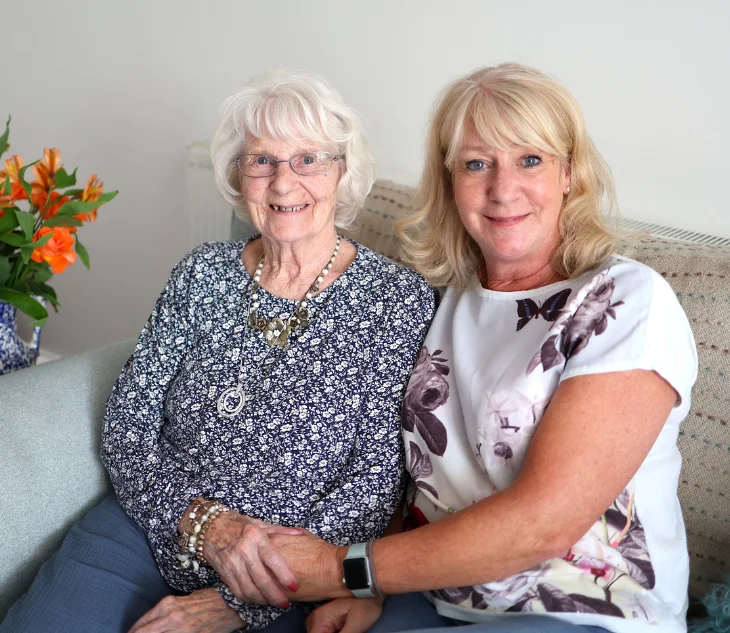
"Oh gosh, I couldn't sleep before. I can actually sleep at night now, and it's nice to know that she's in her own home."
Feeling confident in your care choice
Julie found that for her mother, who has dementia, a care home environment felt overwhelming, and she was more settled receiving care at home.
However, others find the structured routine, regular activities, and built-in social opportunities of a care home beneficial. The right choice depends on the individual’s needs and what makes them feel most comfortable.

"They communicate effectively and have provided carers that have bonded brilliantly with my mother. This has provided me with peace of mind that my mother is being cared for by people we can trust."
Andy K (Son of Client)
Personalised care in just 1 week or less
Simple steps to get the right care in place quickly


You're here
2. Free assessment
Call or enquire online. We’ll start with a chat and arrange a free home visit within days to ensure you get the right care.

3. Crafting your care plan

4. Matching your Caregiver
Together we'll find a Caregiver who's a perfect match for your loved one’s needs and personality.
5. Care in place
Care usually starts within a week. Your Care Manager will attend on day one and check in again on day seven.

Speak to our live in care experts
Meet Stacey, your friendly expert care advisor

Navigating Live in care can feel overwhelming, and we understand how personal this decision is. We're here to guide you every step of the way—offering advice, reassurance, and ensuring your loved one receives the highest quality care.
- Quick 30-minute call: We'll discuss your situation and provide expert advice on care options.
- Book a free assessment: If you're ready, we can arrange a no-obligation assessment to match your needs.
- Fast, flexible care setup: We can start care within days if necessary, ensuring your loved one receives prompt, personalised support.


Inspected and rated
Outstanding by the CQC

FREE assessment enquiry
Stacey or one of our team of friendly and experienced care advisors, will be in touch as soon as possible by phone or email to discuss your live in care needs.
Frequently asked questions
Find answers to your questions around live-in vs residential care
Still have questions?
We're here to help!
Page written by:

With over 40 years of experience in the care industry, providing outstanding care has always been Helena’s core mission.
Helena has been a dedicated member of Unique Senior Care for eight years, starting as Care Manager and advancing to Head of Extra Care and now serving as Director of Operations.
She holds a Level 5 Diploma in Leadership for Health and Social Care and Children and Young People’s Services (England), as well as a Diploma in Welfare Services. Helena has completed various leadership and management courses, enhancing her expertise in the care industry.
Helena has authored published articles, including one for Skills for Care on managing change through the COVID pandemic. She has a steadfast commitment to advocating for and supporting those in need, ensuring their voices are heard and their rights upheld.