


Hearing loss affects approximately 18 million people in the UK, equating to more than a quarter of the population. Despite how common it is, many misconceptions still exist, leading people to underestimate its impact or dismiss the signs.
Hearing loss isn’t just about turning up the volume. It can affect conversations, social interactions, and overall well-being in ways that often go unnoticed.
Whether it’s struggling to follow speech in noisy places or feeling disconnected from loved ones, hearing loss is more complex than most people realise.
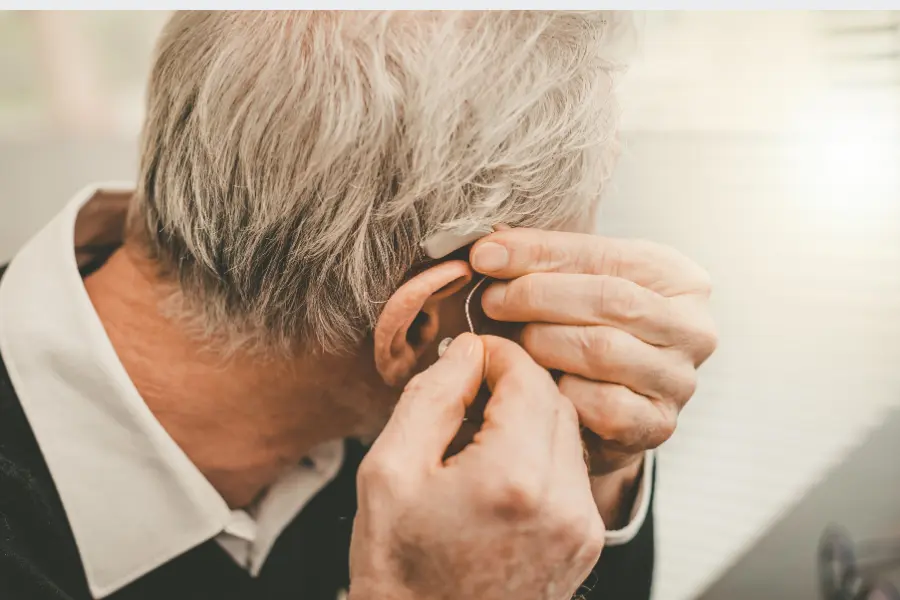
Myth 1: “If you can hear me, your hearing must be fine”
Many people assume that hearing loss is simply about volume—if someone can hear a voice, they must be fine. But hearing loss is often more complicated than that. It frequently affects specific frequencies, making certain sounds difficult to distinguish, even if others remain audible.
For example, many people with hearing loss struggle with high-pitched sounds, which means that letters like ‘s’, ‘t’, and ‘f’ can be difficult to hear. This is why speech may seem muffled or unclear, especially in noisy environments. Some people find it easier to hear deeper voices, meaning they might follow conversations with men more easily than with women or children.
Rather than just making everything louder, the key to supporting hearing loss is improving clarity. Facing someone when speaking, reducing background noise, and speaking at a steady pace can make conversations much easier to follow.
Myth 2: “Only really loud noises cause hearing loss”
Many people assume that hearing loss only results from extreme noise—such as standing near speakers at a concert or working around heavy machinery. While sudden, loud sounds can cause immediate damage, long-term exposure to moderate noise levels can also contribute to gradual hearing loss.
For example, listening to music through earphones at high volumes for extended periods can lead to irreversible hearing damage. According to the National Institute for Occupational Safety and Health (NIOSH), noise exposure above 85 decibels (dB) for more than eight hours can increase the risk of hearing loss. Everyday environments like traffic-heavy streets, busy cafés, and open-plan offices often reach levels that, over time, may cause hearing strain.
Young people are particularly at risk due to frequent headphone use, often exceeding safe listening limits. Similarly, individuals who work in noisy environments—such as teachers, bartenders, and call centre workers—may develop hearing fatigue or long-term impairment without realising it. Protecting hearing involves more than avoiding loud sounds; it requires managing daily noise exposure and taking breaks to allow the ears to recover.
Myth 3: “Hearing aids restore hearing like glasses restore sight”
Many people expect hearing aids to work the same way as glasses—instantly restoring full clarity. However, while hearing aids significantly improve sound perception, they don’t completely replicate natural hearing.
Hearing aids amplify sound, but they can’t perfectly filter background noise or restore the way the brain used to process sounds. Because hearing loss affects how the brain interprets sound over time, adjusting to hearing aids can take a while. Many people need practice to get used to distinguishing speech from background noise and recognising familiar sounds again.
The earlier someone starts using hearing aids, the easier the transition tends to be. With regular use, they help to keep the brain engaged and improve communication, making everyday interactions clearer and more enjoyable.
Myth 4: “Hearing loss only affects older people”
Hearing loss is often thought of as an issue that only affects older generations, but in reality, it can occur at any stage of life. Factors such as genetics, prolonged noise exposure, certain medications, and underlying health conditions can contribute to hearing difficulties in younger adults and even children.
Many people begin to experience hearing changes in their 40s or 50s without realising it. Because the decline is gradual, they may not notice at first and instead assume that others are mumbling or that background noise is making it harder to hear.
The idea that hearing loss is solely linked to ageing can prevent people from seeking help when they need it. Regular hearing checks can help identify early changes, ensuring the right support is in place before communication becomes more challenging.
Myth 5: “If I had hearing loss, I’d know”
Hearing loss isn’t always obvious, especially in the early stages. Because it usually develops gradually, many people don’t realise they are experiencing changes in their hearing. Instead of noticing a decline, they unconsciously adapt—relying more on lip-reading, avoiding noisy environments, or assuming others are mumbling.
Often, it’s friends and family who notice first. A common sign is turning the TV volume up higher than before or frequently asking people to repeat themselves. Social situations may become more tiring as the brain works harder to fill in the gaps.
Just like eyesight, hearing should be checked regularly. Routine hearing tests can detect early signs of hearing loss and help prevent further deterioration, ensuring that support is available before communication becomes more challenging.
Myth 6: “There’s no point treating mild hearing loss”
Lots of us believe that mild hearing loss isn’t significant enough to require treatment. However, even subtle hearing difficulties can disrupt daily life, making conversations harder to follow and leading to increased mental strain.
When hearing declines, the brain has to work harder to process sounds, which can cause fatigue and affect concentration. Research has also shown that untreated hearing loss, even in its early stages, is linked to a greater risk of cognitive decline and social isolation.
Seeking support early can make a big difference. Whether through hearing aids or simple strategies like reducing background noise, addressing mild hearing loss can help maintain brain health, keep conversations engaging, and prevent further deterioration over time.
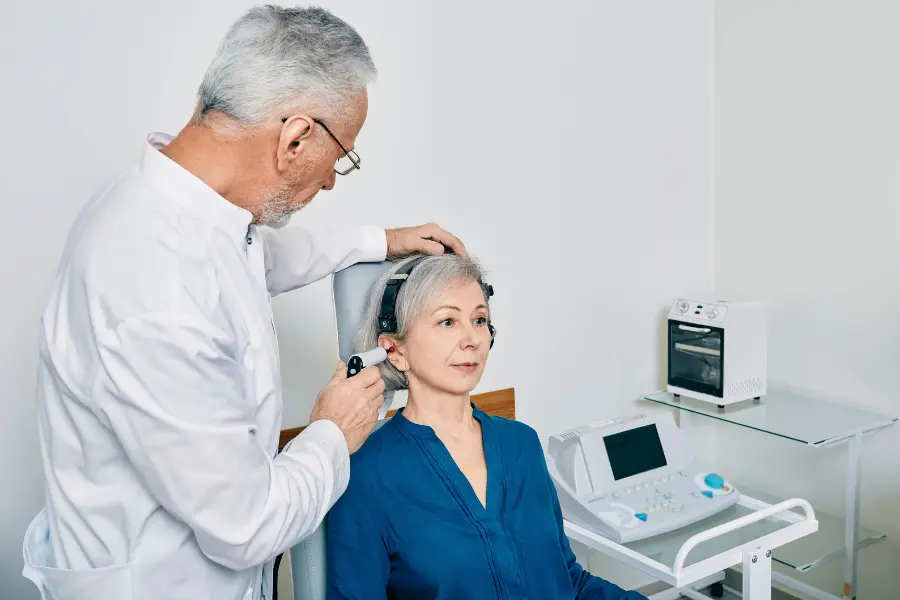
Hearing Loss is More Than Just Turning Up the Volume
One of our clients in Warwickshire, who is 101 years old, receives three visits per week for personal care and companionship. As he lives with deafness, his Caregivers provide essential support by maintaining his hearing aids—changing the batteries and keeping them clean to ensure optimal sound quality.
Beyond managing his hearing aids, Caregivers also recognise the importance of effective communication. They are trained to notice when his hearing aids may not be working properly, such as when they need to raise their voices for him to hear. Rather than simply increasing volume, they focus on speaking clearly, facing him directly, and reducing background noise to ensure conversations remain engaging and accessible.
Because phone conversations are challenging for him, he prefers to communicate via email. This preference is documented in his care plan and on our care management system, ensuring all staff are aware and can respect his chosen communication method. By adapting to his needs rather than expecting him to adjust, we help him maintain independence while staying connected with those around him.
Understanding and Supporting Hearing Loss
Hearing loss isn’t just about struggling to hear. It influences relationships, impacts confidence, and can even affect brain health. Many people adapt without realising the impact, missing out on conversations and social moments that bring connection and joy.
The good news is that support is available. Whether it’s a simple hearing check, small adjustments in communication, or using hearing aids, early action can make a real difference. No one should have to feel isolated because of hearing loss.
If you or someone you know has been finding it harder to follow conversations, now is the time to check in on your hearing health. Recognising the signs early can help keep communication clear and life full of sound.

Jo joined Unique Senior Care as a Carer in 2011, transitioning from a nursing background. With 25 years of experience in health and social care, including mental health and children with disabilities, Jo has embraced numerous growth opportunities within the company.
Passionate about learning and development, Jo earned a Level 5 Diploma in this field and is committed to equipping teams with the skills needed for outstanding care.
Jo’s qualifications include advanced training in people handling, risk assessment, safeguarding, basic life support, first aid, health and safety, and dementia care. Jo has also completed numerous workshops and CPD courses, such as the SCIE’s Co-Production webinar.
These accomplishments reflect Jo’s dedication to fostering a culture of safety and excellence in care.