

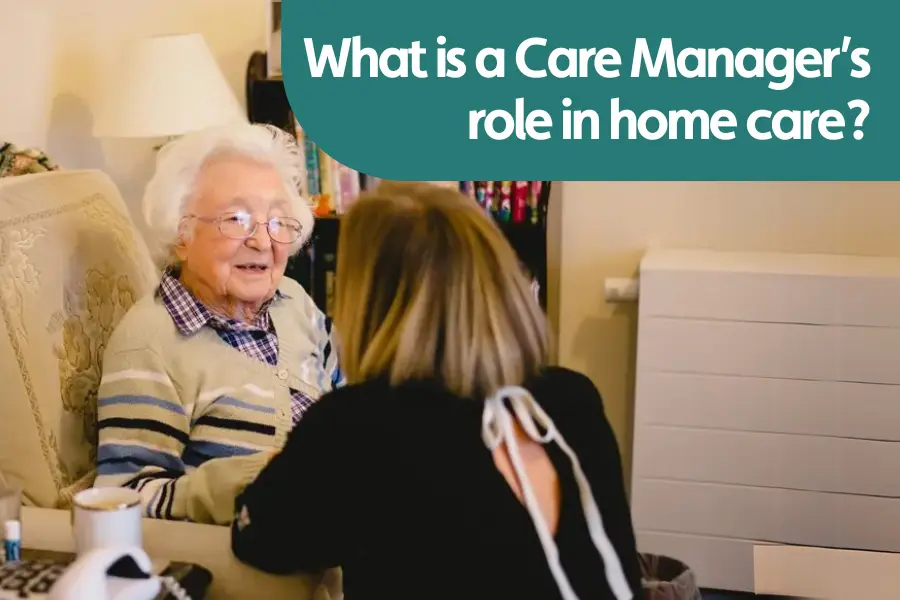
When someone you love needs care at home, it can feel overwhelming. You want to do the right thing, but it’s hard to know where to begin. There’s the emotional strain, the practical decisions, and the fear of getting it wrong — or not doing enough. That’s where a dedicated Care Manager becomes more than just a job title. They become a lifeline.
In this blog, we’ll gently guide you through what a Care Manager actually does, how they help keep care joined-up and personal, and why managed care, with proper oversight, gives families more peace of mind and less to worry about.
What Is a Dedicated Care Manager?
Your dedicated Care Manager is someone who gets to know your family and your loved one personally. They take charge of the care plan, make sure everything runs smoothly day to day, and step in when things change, so you don’t have to carry that alone.
They’re the consistent, familiar voice in what can often feel like a whirlwind of appointments, new faces, and shifting needs. They work closely with family, Caregivers, and health professionals to make sure care isn’t just happening – it’s happening in the right way, at the right time.
And just as importantly, they make sure care is safe, compliant, and professionally managed. From making sure the right records are kept to checking that Caregivers are following best practice, your Care Manager acts as a quiet safeguard — someone who’s always thinking ahead.
At Unique Senior Care, every family we support is matched with a Dedicated Care Manager who sticks with them. Because relationships matter and that’s how we make care personal.

Core Responsibilities of a Care Manager
A Dedicated Care Manager plays a key role in ensuring your loved one receives the right support, not just on day one, but every day after that. Their responsibilities blend organisation, compassion, and professional oversight:
- Understanding needs and planning care: They take time to get to know the person, then create a care plan that reflects their health needs, personal preferences, and daily routines.
- Coordinating people and services: They act as the central point between Caregivers, health professionals, and family — so everyone knows what’s happening.
- Keeping care safe and accountable: They check that care is being delivered to a high standard, records are in place, and safety procedures (like medication and risk assessments) are being followed.
- Adapting to change: If something isn’t working or needs shift, they adjust the care plan and make sure the right support is in place.
- Being there for families: They offer guidance, reassurance, and honest communication, especially when things feel uncertain.
- Supporting Caregivers too: They’re a port of call for the care team offering guidance, answering questions, supporting with any challenges and making sure Caregivers feel confident and supported in their roles.
These responsibilities set the foundation — but it’s the day-to-day follow-through that brings them to life. That’s where care oversight comes in.
The Benefits of Managed Care via a Dedicated Care Manager
Having a single, experienced person overseeing care brings huge advantages and it’s something families often miss out on when using unregulated care or hiring privately without oversight.
Managed care means there’s a clear structure in place. There’s accountability, communication, and someone taking responsibility to make sure your loved one’s needs are truly being met, not just ticked off a list.
- Consistency: The same person oversees care, keeping everything aligned, which means fewer gaps or misunderstandings
- Faster responses: As needs change, the Care Manager ensures care evolves in step
- Prevention over reaction: They spot concerns early, helping to avoid bigger issues or hospital visits
- Better communication: Families get regular updates and know who to speak to when they need support
- Emotional support: Someone is keeping an eye on the bigger picture and checking that everyone is okay
- Reassurance around safety and standards: Managed care is regulated and checked, unlike unregulated options, where oversight may be minimal or absent
If you’re unsure what the difference is between regulated and unregulated care, and why it matters, this short video explains it clearly:
Care Oversight in Practice
Care oversight is the ongoing attention a Care Manager gives to make sure the plan on paper works in real life. It’s about staying involved, responding to what’s happening, and making sure your loved one stays safe, supported, and well cared for, not just today, but as things evolve.
Think of it as the difference between setting something up and making sure it keeps working.
Here’s what that looks like:
- Regular check-ins: Care Managers visit regularly to talk with the client and Caregivers, observe care in action, and identify any concerns early.
- Spotting subtle changes: If someone starts eating less, becomes more tired, or seems withdrawn, they notice — and explore why.
- Making quick, informed adjustments: They change care routines, involve new professionals, or bring in extra support — before a small issue turns into a bigger one.
- Communicating clearly: They keep everyone updated and make sure the care team and family are working together.
This practical, ongoing oversight is what gives families peace of mind — knowing someone experienced is keeping a steady, watchful eye.
Challenges and How a Care Manager Overcomes Them
Even with the best planning, delivering care in the real world comes with challenges. Health needs can change quickly. Different professionals may be involved. Families may feel overwhelmed or disagree on what’s best.
A Dedicated Care Manager is there to help navigate these situations calmly and professionally. Common challenges include:
- Multiple professionals involved: GPs, district nurses, physios and Caregivers can all have different systems and ways of working
- Changing health or mobility needs: A sudden fall, hospital discharge or new diagnosis can shift what’s needed overnight
- Family pressures: Emotions can run high and decisions can be difficult — especially when family members live far away or see things differently
- Accessing the right support: Sometimes services are delayed or unavailable locally, and alternatives need to be found
Care Managers help manage these complexities by:
- Being the central point of contact so everyone stays informed and coordinated
- Thinking ahead and adjusting care before small issues escalate
- Using strong local knowledge to access services, equipment, or extra help quickly
- Listening and supporting families to feel heard, even when things are uncertain or stressful
It’s this kind of steady support that helps care run smoothly, even when life doesn’t.

What Makes a Good Care Manager?
Not all Care Managers are the same and when it comes to your loved one’s care, the right person can make all the difference. So what should you expect from someone in this role?
Relevant experience and qualifications: Most Care Managers have worked directly in health or social care — whether in nursing, home care, or support settings. Many hold (or are working towards) a Level 5 qualification in Leadership and Management for Adult Care, or equivalent. What matters most is real-world understanding and the ability to lead care with confidence.
Strong organisational and leadership skills: A good Care Manager brings people and services together. They can juggle priorities, solve problems, and respond calmly when things change.
Clear and compassionate communication: They listen well, explain clearly, and act as the link between families, Caregivers, and professionals, so nothing gets lost in translation.
A commitment to safety and standards: They understand and uphold essential care standards — from medication safety and risk assessments to safeguarding and record-keeping — ensuring care is both kind and compliant.
Empathy and reliability: Above all, they are someone you can trust and someone who genuinely cares and keeps their word.
At Unique Senior Care, we look for Care Managers who combine skill, warmth, and integrity. The kind of people we’d trust to care for our own families.
Why a Dedicated Care Manager Makes All the Difference
When care isn’t joined up, things can fall through the gaps. But when someone’s watching closely, listening, checking, coordinating, care becomes calmer, safer, and more personal.
A Dedicated Care Manager brings all of that together. They offer consistent support, proactive thinking, and a deep understanding of your loved one’s needs — so you don’t have to manage everything alone.
If you’d like to find out how it works in practice, we’re here to talk. Explore our services or speak to one of our care experts today.
Common Questions and Misconceptions
Isn’t a Caregiver enough?
A Caregiver provides day-to-day personal support with things like washing, dressing, and preparing meals. A Care Manager takes a step back to look at the full picture: coordinating services, reviewing care plans, and making sure everything is working as it should, especially when things change.
Will this cost more?
A Dedicated Care Manager is included as part of a regulated home care service, so there’s no extra fee just for having one. Regulated services may cost more overall than unregulated options, but that cost reflects the professional oversight, safety, training, and accountability that come with it.
Do they visit in person?
Yes — your Care Manager will usually visit in person on day one and again within the first week to make sure care gets off to the right start. They’ll check that everything is in place, answer any questions, and ensure your loved one feels comfortable. After that, they continue to check in regularly, through home visits, phone calls, or emails, to review how things are going and make adjustments if needed.
What happens if our Care Manager changes?
Continuity is a big part of good care. At Unique Senior Care, we make sure there’s a clear handover and always assign a named Care Manager — so you’re never left without support or answers.

Sophie Ledbrooke is Head of Live-In Care at Unique Senior Care and brings nearly two decades of experience in the care sector, having started her career in 2006. She holds a Level 5 Diploma in Health and Social Care and plays a pivotal role in supporting Care Managers to deliver safe, high-quality, and person-centred services.
Sophie’s work spans strategic development, compliance, and ensuring exceptional journeys for both clients and caregivers. Deeply fulfilled by the positive impact of her work, Sophie also volunteers as a Special Constable with Warwickshire Police and enjoys motorsport, documentaries, and time with family and friends