


Nutrition plays a vital role in maintaining good health as we age. For older adults with Parkinson’s disease, a well-balanced diet becomes even more essential. Parkinson’s, which affects the brain’s ability to control movement, can bring challenges like difficulty swallowing, reduced appetite, or trouble preparing meals. But keeping a good nutritional routine is key to staying energised, managing symptoms, and maintaining overall health.
In this guide, we’ll explore why nutrition is important for Parkinson’s, offer some practical tips, and highlight the support available to help make this journey a bit easier.
Why Nutrition Matters for Parkinson’s
Parkinson’s disease primarily affects the nervous system, and good nutrition can help manage symptoms and improve quality of life. Here’s why nutrition matters:
- Energy and Strength: As we age, our bodies don’t absorb nutrients as well as they used to, and this challenge can be even more significant for those with Parkinson’s. Eating well ensures you get enough energy to stay active, avoid fatigue, and maintain muscle strength. Without proper nutrition, Parkinson’s symptoms can feel more overwhelming, so eating the right foods helps your body stay strong enough to manage day-to-day life.
- Medication Effectiveness: The timing of meals and the foods you eat can impact how well Parkinson’s medications work. For example, protein-rich foods can sometimes interfere with the absorption of levodopa, a common medication. Planning meals around medication schedules can help make sure your meds work as effectively as possible. It’s all about striking the right balance, and a dietitian or healthcare professional can help figure out what works best for you.
- Managing Symptoms: Some Parkinson’s symptoms, like constipation, are linked to diet. A high-fibre diet, paired with plenty of fluids, can help manage this issue and improve overall digestive health.
- Reducing Complications: Good nutrition helps prevent complications like unintentional weight loss or malnutrition, which can lead to frailty and difficulties with daily tasks, affecting independence. Eating a variety of foods supports strength and helps you stay active for longer.
Around 50% of people with Parkinson’s experience some form of malnutrition (Parkinson’s UK, 2022), which shows just how important these concerns are. But the good news is, with the right knowledge and support, these challenges can be managed.
Practical Steps to Support Good Nutrition
Maintaining good nutrition doesn’t have to be overwhelming. Here are some simple steps to support you or a loved one with Parkinson’s:
- Eat Small, Frequent Meals: Instead of three big meals, try eating smaller meals more often throughout the day. This can help keep energy levels steady and make eating easier. Smaller meals are often less intimidating and can feel more manageable, especially if you’re dealing with a reduced appetite or swallowing difficulties.
- Time Meals Around Medication: Levodopa tends to work best when taken on an empty stomach or at least 30 minutes before a meal. But for some, this can cause nausea. Finding a balance that works for you is key – talking to a healthcare professional can help with this. It’s all about trial and error, so don’t be afraid to ask for advice to ensure your medications work effectively.
- Incorporate Fibre and Fluid: Constipation is a common issue with Parkinson’s. Adding fibre-rich foods like whole grains, fruits, and vegetables can help, along with drinking plenty of fluids – aim for around 6-8 cups of fluid each day. Staying hydrated can also make a significant difference in overall comfort and energy levels.


- Add Healthy Fats: Omega-3 fatty acids, found in fish like salmon or in flaxseeds and walnuts, have anti-inflammatory properties that support brain health. Including healthy fats in your diet is a great strategy for overall well-being. They can help protect against further neurological decline while supporting the body’s overall function.
- Make Mealtimes Relaxing: Eating can feel stressful if you’re in a rush or feeling anxious. Create a calm, relaxing atmosphere at mealtime, and take your time with each bite. Softer foods like soups, smoothies, or stews may also be easier to chew and swallow. Consider eating in a quiet, relaxed environment to make the experience as enjoyable as possible.
- Adapt Food Consistencies: If swallowing is difficult, try adjusting food textures. Pureed foods, thickened liquids, or softer options can make eating safer and more enjoyable. With a little creativity, meals can still be delicious and easy to manage.
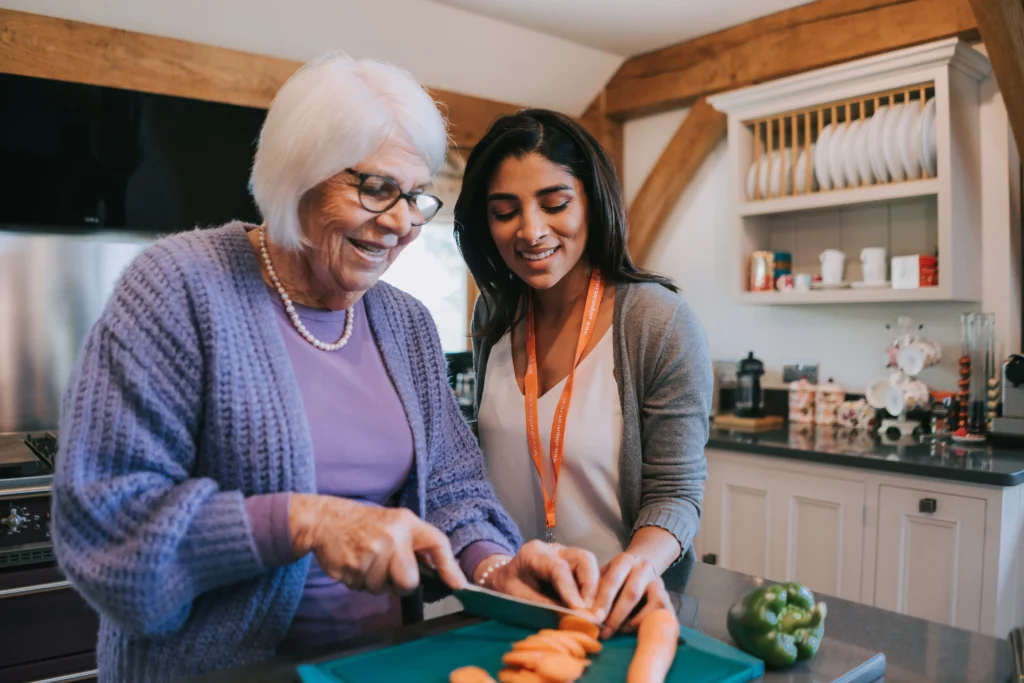
- Seek Help with Cooking: Preparing meals can be tiring, especially if you have mobility issues. Home care services or family members can assist with cooking or adjusting recipes to suit your needs. Meal delivery services can also provide an alternative on days when preparing food feels too overwhelming.
Addressing Common Misconceptions
There are a few misconceptions about diet and Parkinson’s that can lead to confusion or mismanagement:
- Thinking that protein should be avoided entirely: Some people believe that protein is bad for those with Parkinson’s because it can interfere with medication. This isn’t entirely true. While it’s advisable to be mindful of how protein is timed in relation to medication, it is still an important part of a balanced diet. Working with a dietitian can help you find the right balance.
- Believing that supplements are always better: Another common belief is that taking supplements is just as good as eating well. While supplements can sometimes help, they aren’t a replacement for a varied diet. Food provides a wide range of nutrients that work together to support your health in ways that supplements alone cannot.
How Home Care Can Help
Home care can play a crucial role in supporting nutritional needs, particularly for someone with Parkinson’s. Caregivers can help prepare balanced meals, assist with eating if needed, and keep track of meal times to ensure they align well with medication schedules. This kind of support can make a world of difference in ensuring nutritional needs are met consistently.
Helena Hitchcox, our Operations Director, explains: “Good nutrition isn’t just about eating the right foods; it’s about creating a positive mealtime experience. When a Caregiver understands a client’s needs and adapts meals to suit them – whether that means adjusting food textures or making sure meals align with medication schedules – it can make a world of difference. These thoughtful adjustments help clients feel cared for and supported, which improves both their physical and emotional well-being
Having someone there to help with food shopping or adapting meals to ensure they are nutritious and easy to swallow can also be hugely reassuring. Home carers are often trained to support people with a variety of conditions, including Parkinson’s, and their role is to help make life a little easier – whether that’s by preparing a favourite meal or simply being there to make mealtime less of a challenge.
Managing Parkinson’s Disease
If you or a loved one needs help managing nutrition due to Parkinson’s, don’t hesitate to reach out for support. By managing Parkinson’s and taking practical steps to make good nutrition a priority, you can take control of your or your loved one’s health and well-being.
Whether you need advice from a dietitian, help with meal preparation, or simply more information about your options, there is plenty of help available. Contact your GP to discuss a referral to a dietitian, or speak to a local care provider about support options that might be right for you.

Jo joined Unique Senior Care as a Carer in 2011, transitioning from a nursing background. With 25 years of experience in health and social care, including mental health and children with disabilities, Jo has embraced numerous growth opportunities within the company.
Passionate about learning and development, Jo earned a Level 5 Diploma in this field and is committed to equipping teams with the skills needed for outstanding care.
Jo’s qualifications include advanced training in people handling, risk assessment, safeguarding, basic life support, first aid, health and safety, and dementia care. Jo has also completed numerous workshops and CPD courses, such as the SCIE’s Co-Production webinar.
These accomplishments reflect Jo’s dedication to fostering a culture of safety and excellence in care.