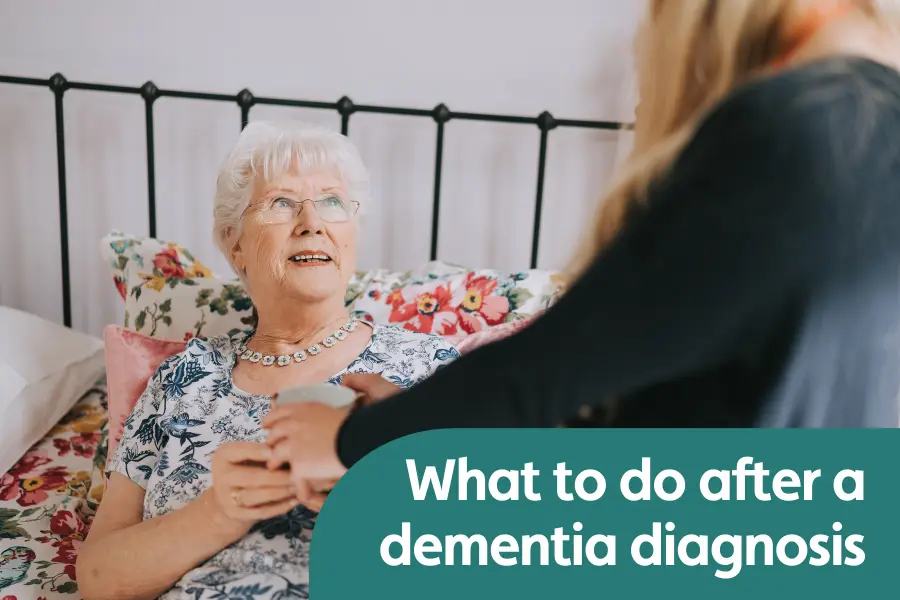
Summary: This guide explains what to do after a dementia diagnosis, including what happens in the first few days, practical steps to take in the first few weeks, how to plan ahead in the months that follow, and where to find trusted dementia support in the UK.
A dementia diagnosis can feel overwhelming. You might feel shocked, frightened, numb, or even strangely calm. There is no single “right” reaction. Whether you have received the diagnosis yourself or you are supporting someone close to you, it can leave you wondering what to do next.
If you are searching for what to do after a dementia diagnosis, you are not alone. Many people leave that first appointment with more questions than answers. The most important thing to know is this: you do not have to solve everything today.
In this guide, we will gently walk through what to focus on in the first few days, the practical steps to think about in the first few weeks, and how to plan ahead in the months that follow.
In the First Few Days After a Dementia Diagnosis
In the days immediately after a diagnosis, it is common to feel overwhelmed. You may replay the appointment in your mind or find yourself thinking about the future constantly. Try to give yourself permission to pause. You do not need to make every decision this week.
At this stage, the most important steps are about understanding the diagnosis clearly and knowing who your main point of contact is. In the UK, many people receive their diagnosis through a memory clinic following a GP referral. The memory clinic or specialist team should explain the type of dementia diagnosed, discuss whether medication may help, and outline what support is available next.
If you have follow-up appointments arranged with your GP, consultant, or memory service, make a note of the dates. Consider taking someone with you if that feels supportive. These early conversations are a chance to:
- Clarify the type of dementia and what it may mean in the short term.
- Ask whether medication is appropriate and how it will be reviewed.
- Understand who to contact if symptoms change.
- Ask about a care and support needs assessment through your local council.
Writing down questions as they arise can make these appointments feel more manageable.
You might also begin thinking about who you want to tell. This could be a partner, friend, adult child, neighbour, or another trusted person. There is no requirement to tell everyone immediately. Share the news in a way and at a pace that feels right for you.
Above all, focus on steady, practical steps. When people search for what to do after a dementia diagnosis, they often expect a long checklist. In reality, the first few days are about understanding what has happened, identifying your key medical contact, and giving yourself space to adjust.
If you feel unsure about where to turn, charities such as Alzheimer’s Society and Dementia UK offer dedicated helplines, dementia advisers, and specialist Admiral Nurses who can talk through what typically happens next. The NHS website also provides clear information about diagnosis and follow-up care. You do not have to navigate these early days alone.
In the First Few Weeks: Practical Next Steps After a Dementia Diagnosis
Once the initial shock starts to settle, the next few weeks are often about adjusting to a new reality. Whether you are living with dementia yourself or supporting someone who is, this is usually when practical questions begin to surface: What happens after a dementia assessment? Who supports me now? What should I focus on first?
Start open conversations (at your pace)
If you have received the diagnosis, this is a good time to share your thoughts while you feel able. You might want to talk about what matters most to you, what helps you feel calm, and who you would like involved in decisions. These conversations do not need to be heavy or formal — they can happen gradually.
If you are supporting someone, try to listen more than you lead. The aim is not to rush big decisions, but to understand what feels important to them.
You might talk about:
- How you would like day-to-day support to look.
- What helps you feel safe and independent.
- Who you trust to be involved (this could be a partner, friend, neighbour, or professional).
They thing to remember is that the person living with dementia should remain at the centre of conversations wherever possible.
Review daily life and safety
In the weeks after diagnosis, your GP or memory service will usually outline any treatment plan and follow-up reviews. If medication is prescribed, make sure you understand what it is for, how it should be taken, and who to contact if side effects occur.
If you are the person diagnosed, you are legally required in the UK to tell the DVLA (or DVA in Northern Ireland) about the diagnosis. This does not automatically mean you must stop driving, but the licensing authority will assess what is safe.
Small adjustments at home can help maintain confidence and independence:
- Keeping a simple, predictable routine.
- Using reminders for medication and appointments.
- Reducing clutter to lower the risk of trips and falls.
These changes are about enabling you to live well — not restricting you.
Explore local support and community connections
Support does not have to mean formal care. For many people, it begins with connection and understanding.
A memory café is an informal, welcoming space for people living with dementia and for anyone close to them. There is usually tea, conversation, and gentle activities. Many people find it reassuring to meet others who understand what they are going through. We ourselves run memory cafes in Dorridge, Solihull and Cubbington, and members regularly tell our teams how valuable they are for their wellbeing.
Charities such as Alzheimer’s Society and Dementia UK can also provide practical advice, emotional reassurance, and specialist guidance through helplines and local services. Even a single conversation can make the weeks after a dementia diagnosis feel less isolating.

In the First Few Months: Planning Ahead
If the first few weeks have been about understanding the diagnosis, the first few months are often about putting gentle structure in place. When things feel relatively steady, it can be reassuring to make a few practical decisions that protect your wishes and reduce uncertainty later.
Put legal arrangements in place
One of the most important steps is arranging a Lasting Power of Attorney (LPA). In England and Wales, this allows you to choose someone you trust to make decisions about your finances and/or health and welfare if you are no longer able to do so yourself. In Scotland and Northern Ireland, similar arrangements exist under different legal frameworks. Setting this up early means you remain in control of who will act on your behalf.
Our podcast episode with The Right Legal Group explains why this process is so important:
Review finances and entitlements
A diagnosis can also prompt a review of your financial situation. This is not about assuming decline — it is about making sure you are receiving the support you are entitled to.
You may wish to:
- Check eligibility for Attendance Allowance (for people over State Pension age who need help with personal care or supervision). It is not means‑tested. If you are under State Pension age, you may be eligible for Personal Independence Payment (PIP).
- Apply for a Blue Badge through your local council if mobility or safety when out and about is becoming more difficult.
- Ask your local council about a Council Tax reduction or Severe Mental Impairment (SMI) disregard, which may apply following a confirmed dementia diagnosis.
- If you support someone regularly, check eligibility for Carer’s Allowance.
- Review pensions, savings, and household bills.
- Seek independent financial advice if you would find that helpful.
Talk about future preferences
Advance care planning is another gentle but important conversation. This might include discussing future medical preferences, where you would ideally like to be cared for, and what quality of life means to you. These conversations are often easier while you feel able to express your views clearly, and they can provide reassurance for everyone involved.
Introducing support early
Some people choose to explore professional dementia support at home in these early months because they want to build familiarity and trust while things feel manageable. Introducing a Caregiver gradually can allow the person living with dementia to get to know them, establish routines together, and remain actively involved in shaping how support looks.
Our client, Phil did exactly this, and explains the benefits he found in arranging care while he still felt in full control:
If you would like to understand how dementia support at home works, you can explore our dementia care services. It can help you see what options are available, so that when you are ready, you feel informed rather than pressured.
Looking After Yourself After a Dementia Diagnosis
A diagnosis often confirms changes that have been happening for some time. That can bring relief, but it can also bring grief, worry, or exhaustion. Looking after yourself now is an important part of living well after a dementia diagnosis.
If you are living with dementia, self-care may mean:
- Keeping a regular routine for sleep, meals, and activity.
- Staying socially connected, even in small ways.
- Attending follow-up appointments and asking questions when something feels unclear.
- Letting someone you trust support you with paperwork or planning.
If you are supporting someone, organisations such as Alzheimer’s Society and Dementia UK often encourage carers to protect their own wellbeing too. That can include:
- Taking short, regular breaks.
- Speaking to your GP if you are feeling persistently low or overwhelmed.
- Requesting a carer’s assessment through your local council to understand what support you may be entitled to.
- Connecting with peer support groups or memory cafés where you can talk openly.
No one should feel they have to manage dementia alone. Protecting your own health, relationships, and rest helps ensure that support remains steady and sustainable over time.
We have created a series of short, practical videos that explore common early experiences and offer calm, respectful guidance. They are designed to support both people living with dementia and those alongside them, offering reassurance and simple tips:
What Support Is Available After a Dementia Diagnosis?
If you are wondering what to do after a dementia diagnosis, it may help to know that support can come from a few different places — and you can take things one step at a time.
- Your GP and memory service can explain follow-up appointments, medication reviews, and who to contact if symptoms change.
- Your local council can arrange a care and support needs assessment for the person living with dementia. If you are supporting someone, you can also ask for a carer’s assessment to understand what support you may be entitled to.
- Memory cafés and local dementia groups can be a gentle first step. They offer a friendly space to meet others, share experiences, and access reliable information. (This is a natural place to link to our Memory Café.)
- Charities can be a lifeline: Alzheimer’s Society offers a dementia support line and practical advice, and Dementia UK’s Admiral Nurses provide specialist guidance and reassurance.
- Support at home can also be introduced gradually, starting with a little help and building only if and when it is needed.
Moving Forward After a Dementia Diagnosis
A dementia diagnosis changes things, but it does not take away choice, voice, or the possibility of living well. The steps you take in the first few days, weeks, and months are not about doing everything at once. They are about building understanding, putting support in place gradually, and making decisions at a pace that feels right.
If you are still unsure what to do after a dementia diagnosis, start small. Ask one question. Book one appointment. Visit one local group. Speak to one trusted person.
For a clear, practical summary of everything covered here, including early planning, legal steps, and where to find support, you can download our Dementia Guide. It is designed to help you feel informed and steady, whether you are living with dementia yourself or supporting someone close to you.
Steady, informed steps create confidence over time. And whenever you feel ready for more guidance, support is available.
Resources
-
- Alzheimer’s Research UK – What happens at the memory clinic?
- Alzheimer’s Society – Home
- Home – Dementia UK
- Dementia UK – Admiral Nurse Dementia Helpline
- NHS – Dementia
- GOV.UK – Dementia and driving
- GOV.UK- Attendance Allowance: Overview
- GOV.UK – Apply for or renew a Blue Badge
- Alzheimer’s Society – Discounts, disregards and exemptions on council tax
- GOV.UK – Carer’s Allowance: How it works
- Dementia UK – Advance Care Planning
- Carers UK – Carer’s assessment

Jo joined Unique Senior Care as a Carer in 2011, transitioning from a nursing background. With 25 years of experience in health and social care, including mental health and children with disabilities, Jo has embraced numerous growth opportunities within the company.
Passionate about learning and development, Jo earned a Level 5 Diploma in this field and is committed to equipping teams with the skills needed for outstanding care.
Jo’s qualifications include advanced training in people handling, risk assessment, safeguarding, basic life support, first aid, health and safety, and dementia care. Jo has also completed numerous workshops and CPD courses, such as the SCIE’s Co-Production webinar.
These accomplishments reflect Jo’s dedication to fostering a culture of safety and excellence in care.