

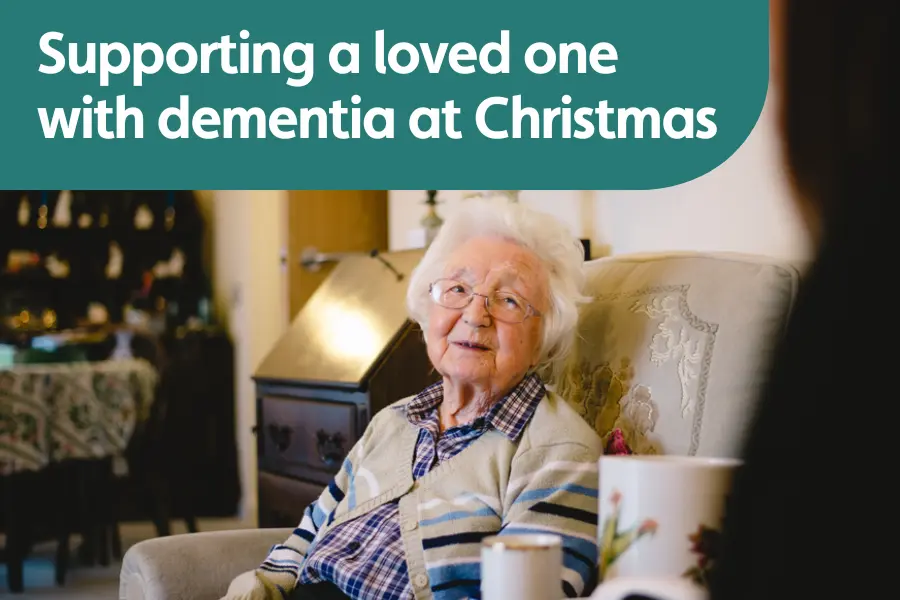
Summary: This blog shares 10 practical tips to help you support a loved one with dementia at Christmas. It explains why the festive season can be difficult, and offers realistic ways to create a calm, comfortable, and inclusive celebration. It also includes expert resources, advice on adapting traditions, and gentle reminders to care for yourself too.
For many of us Christmas can be a really exciting time. It’s when lots of families get together and relish in the chaos of a disjointed routine, lots of noise and the mess that comes along with lots of new gifts. However, for people living with or caring for someone with dementia, it can bring lots of different emotions from confusion and overwhelm to sadness, stress and even grief. The break from routine, unfamiliar faces, and sensory overload can trigger anxiety or distress. Keep reading for 10 top tips to help you navigate these challenges and enjoy a joyful, dementia-friendly Christmas.

Why Christmas Can Be Difficult for Someone Living with Dementia
Christmas brings a lot of changes, and for someone with dementia, those changes can feel confusing, overwhelming or simply too much. Understanding why helps you respond with empathy and reassurance:
- Routine changes: Holidays often mean new plans, different timings, and unexpected guests. For someone living with dementia, even small changes to their daily routine can increase confusion or distress.
- Sensory overload: Bright lights, loud music, lots of voices and movement are all part of the festive fun, but potentially overwhelming for someone who already finds it harder to process sensory information, as Age UK explains.
- Unfamiliar faces and settings: A room full of relatives they may not remember, or decorations that change the feel of their space, can make things feel unfamiliar and disorientating.
- Emotional triggers: Christmas can stir up strong memories, both happy and painful. For someone with dementia, this can sometimes lead to emotional distress, even if they can’t explain why.
- Cognitive and sensory changes: Dementia affects how the brain interprets what it sees, hears and feels, not just memory. This can make a festive environment feel overwhelming or even frightening. Research published in Molecular Neurodegeneration outlines how sensory and cognitive changes can impact a person’s experience.
Recognising these challenges helps us shift our focus from pressure and perfection to patience, presence and comfort.
10 Top Tips for Supporting a Loved One with Dementia at Christmas
1. Start preparing early and involve your loved one
Begin talking about Christmas early, not just to prepare practically, but to allow time for emotional adjustment. Sudden changes can feel unsettling for someone with dementia, so gradually introducing plans helps reduce anxiety. Encourage your loved one to take part in small preparations, like writing cards, choosing music, or picking decorations they remember from past years. These familiar activities can spark memories and offer a sense of purpose. As Dementia UK advises, staying calm and patient during these moments helps build a positive and secure lead-up to the festive period.
2. Keep the environment calm and familiar
A calm, familiar setting can significantly reduce stress for someone with dementia. Try not to rearrange furniture, and avoid overly bright lights or strong scents like pine candles, which may be overstimulating. Stick to decorations that hold personal meaning, such as ornaments made by grandchildren or ones that have always been on the tree. Playing gentle, familiar music and minimising background noise can also help your loved one feel safe and grounded. Age UK recommend keeping the environment predictable and comfortable to help ease distress.
3. Stick to routines, especially for meals and sleep
The rhythm of a typical day can provide great comfort. Try to keep meals and bedtimes consistent with their usual pattern, even if you have guests. Avoid overloading the day with activities, which can tire and confuse your loved one. If meals will be different, consider serving familiar favourites in smaller portions or at their usual times. Keeping to a trusted routine reduces decision-making stress and supports a sense of stability.
4. Decorate gradually and gently
Introduce decorations slowly, perhaps one or two items each day, rather than all at once. Sudden visual changes can feel disorientating for someone with dementia. Include decorations your loved one recognises or associates with good memories. Flashing lights or excessive tinsel can be confusing or irritating, so opt for softer, static lighting and natural colours where possible. Consider involving your loved one in decorating to reinforce a sense of belonging.
5. Choose dementia-friendly gifts
Focus on gifts that are sensory, familiar, or soothing. A soft blanket, a CD of music from their youth, or a tactile cushion can offer comfort and joy. Avoid anything too complex, such as items that require setup or come with multiple parts. You could also create a personalised photo book, memory box, or a digital photo frame loaded with family images. The Alzheimer’s Society offers thoughtful gift suggestions based on different stages of dementia.
6. Adapt traditions to focus on connection
It’s natural to want to hold onto cherished Christmas traditions — but try not to put pressure on yourself or your loved one to recreate everything as it once was. Some traditions may no longer be practical or enjoyable, and that’s okay. Instead, gently adapt activities to suit your loved one’s energy levels and interests. If carols or baking brought joy in the past, those can still be part of your day, just at a slower pace. A quiet moment spent looking through old photo albums or watching a familiar film can be far more meaningful than a noisy gathering. The goal is not to create the perfect Christmas, but one that feels safe, inclusive and gently familiar. Focus on connection over performance, and let your loved one guide what feels manageable.
7. Let guests know what to expect and how they can help
A little preparation can go a long way. Let friends and family know that your loved one might find things difficult, and guide them to speak slowly, clearly and with patience. Ask them not to quiz or challenge memory, and to follow your cues when things need to quieten down. Dementia Carers Count suggests helping guests understand that keeping things relaxed and respectful creates the best atmosphere for everyone.
8. Have a quiet space ready
Christmas can be overwhelming, so make sure there’s a peaceful space nearby where your loved one can go to rest. This could be a familiar bedroom, a calm lounge or even just a comfy chair in a quiet corner. Let them know they can take a break at any time. Keep soft lighting, a blanket, and maybe a familiar object there to offer comfort. Regular breaks from social settings can help prevent overstimulation and reduce agitation.
9. Look after yourself too
Caring for a loved one with dementia can be exhausting, especially during the holidays. Acknowledge your own needs and try not to feel guilty for taking time out. Say yes when someone offers help, and delegate tasks where you can. Taking care of your wellbeing is not selfish. It’s actually essential for both you and your loved one. Reach out to other carers or support organisations if you’re struggling — talking to someone who understands can make a huge difference. You could explore Dementia UK’s Admiral Nurse helpline for practical advice, or join a local support group via Alzheimer\’s Society to connect with others facing similar challenges.
10. Consider professional dementia care support
If the thought of managing Christmas alone feels overwhelming, you’re not alone — and you’re certainly not failing. Recognising when to ask for help is one of the most important things you can do for both yourself and your loved one. Whether you need a few hours to rest, catch up with other family members, or take a full day to recharge, professional dementia care can step in with compassion and confidence. Respite care or support from a visiting Caregiver can provide continuity and calm, keeping your loved one safe while giving you breathing space.
A Dementia-Friendly Christmas Is Still a Meaningful One
You’re not alone if this Christmas feels different or daunting. The festive season can bring pressure to do and be everything — but for families affected by dementia, it’s okay for things to look and feel different. What matters most is creating a sense of comfort, calm and connection. By focusing on what feels manageable, meaningful and familiar, you can help your loved one feel safe and included.
And if you’re feeling stretched or unsure where to turn, we’re here to support you. Find out more about how our dementia care services can help — whether that’s through practical support, guidance, or simply a reassuring conversation.
References
- Age UK – Dementia advice for Christmas
- Molecular Neurodegeneration – Research on sensory and cognitive changes
- Dementia UK – 12 tips for Christmas
- Alzheimer’s Society – Gift ideas for people with dementia
- Dementia Carers Count – Tips for Christmas
- Dementia UK – Admiral Nurse Helpline
- Alzheimer’s Society – Dementia support groups

Jo joined Unique Senior Care as a Carer in 2011, transitioning from a nursing background. With 25 years of experience in health and social care, including mental health and children with disabilities, Jo has embraced numerous growth opportunities within the company.
Passionate about learning and development, Jo earned a Level 5 Diploma in this field and is committed to equipping teams with the skills needed for outstanding care.
Jo’s qualifications include advanced training in people handling, risk assessment, safeguarding, basic life support, first aid, health and safety, and dementia care. Jo has also completed numerous workshops and CPD courses, such as the SCIE’s Co-Production webinar.
These accomplishments reflect Jo’s dedication to fostering a culture of safety and excellence in care.