


As we get older, mobility naturally declines and things aren’t always as easy as they once were. Maybe the stairs are feeling steeper, or you’re not as steady getting in and out of the shower anymore. These little changes can creep up on you and suddenly your home doesn’t feel quite as safe or easy to get around as it used to.
But that doesn’t mean you need to give up your independence or leave the place you love. With a few home adaptations for ageing in place, your home can continue to support you just as you’ve supported it all these years. In this blog, we’ll look at practical ways to make your home safer, more comfortable, and better suited to your changing needs.
Why Adapting Your Home Matters for Ageing in Place
For many older adults, the goal is to stay in their own home rather than move into residential care or sheltered housing. Holding on to comfort, routine, and independence can bring huge emotional benefits. Home is where your memories are, and being able to stay put often brings a stronger sense of control, dignity, and peace of mind. It’s also usually far more affordable than moving into care. That’s why so many people are now exploring home adaptations for ageing in place – small or large changes that help make daily life safer and easier, right where you are.
But the truth is, homes that once felt safe and easy to move around can quickly become risky as your mobility or strength changes. In fact, over 50,000 older adults in England were admitted to hospital in 2024 due to falls at home, according to NHS figures. The bathroom, the stairs, even the hallway can pose serious challenges if nothing has been adapted. And when accidents happen, they can trigger a chain reaction – from injury to hospital stays, and sometimes even a forced move into care.
That’s why making changes early matters. Some home adaptations for ageing in place are simple – like installing grab rails or brighter lighting. Others, like adding a stairlift or converting a bathroom, take more planning. Either way, these changes can make all the difference in helping you stay safe and independent in the place you love.

How to Plan Adaptations
When you decide to adapt your home, a bit of planning can make a big difference. Going in without a clear plan can lead to unnecessary expense or changes that don’t really meet your needs. Here’s how to get started:
Step 1: Get a professional or self-assessment Start by figuring out exactly what needs changing. Your local council may offer a visit from an Occupational Therapist (OT) or a trusted assessor who can identify areas of concern, like narrow doorways or tricky bathrooms. Or, do a simple self-check by walking through your daily routine and noting anything that feels difficult or unsafe.
Step 2: Look into funding options You might be eligible for a Disabled Facilities Grant (DFG) through your local authority. This helps cover the cost of making your home more accessible. It’s means-tested and can fund things like stairlifts, bathroom adaptations or ramps. Some councils also offer smaller grants for quick fixes like grab rails or lighting upgrades.
Step 3: Plan with the future in mind Choose changes that can grow with you. Modular fittings, adjustable rails, or keeping space clear for future additions (like a stairlift) will save time and money later on.
Step 4: Choose experienced providers Ask your OT or local Home Improvement Agency for recommendations. Look for contractors who specialise in accessible home design, and make sure they’re properly insured, have good reviews, and offer clear quotes.
Key Home Adaptations & Modifications (Room-by-Room)
Let’s take a practical look at the areas of your home that often need attention as we get older. These home modifications for seniors can be simple or more involved, but each one can play a part in helping you stay safe and independent. You don’t have to change everything – just a few well-placed adjustments can make your home feel more manageable and secure.
- Entrance & Hallways – Getting in and out of the house should feel safe and straightforward. Consider a shallow ramp, handrails, slip-resistant flooring, and brighter lighting to make access easier and reduce the risk of falls.
- Bathroom & WC – Slippery surfaces and tight spaces can make the bathroom a real challenge. A walk-in shower, well-positioned grab rails, non-slip flooring and an easy-flush toilet can all help maintain independence.
- Kitchen – The kitchen should be practical without becoming tiring to use. Lowered counters, pull-out shelving, accessible appliances, and better lighting can reduce strain and help you stay in control of meal times.
- Living Room & Bedroom – These are spaces where comfort matters most. Choose seating that supports good posture and is easy to get in and out of, reduce trip hazards like loose rugs, and ensure lighting is even. These kinds of adjustments are an important part of ensuring safety in the home for elderly people, especially as mobility or eyesight changes over time. and is easy to get in and out of, reduce trip hazards like loose rugs, and ensure lighting is even – especially for night-time trips.
- Stairs / Multi-level Homes Stairs – Steps can become difficult over time. If you’re still using them, make sure there are secure handrails on both sides and anti-slip stair treads. If needed, a stairlift or through-floor lift might be a safer long-term solution.
- Outdoors / Garden Outdoor spaces – Gardens can be adapted too. Ramps, grab rails, level pathways and seating areas allow you to keep enjoying fresh air and daily tasks like gardening or putting out the bins – without added risk.

Smart / Assistive Technology
Technology can play a big role in making everyday life feel easier and safer – especially when it’s designed to work quietly in the background. From motion sensors to appliance shut-off systems, there are lots of tools that can help you stay comfortable and in control at home.
- Smart lighting and sensors: Lights that switch on automatically when you enter a room or get out of bed can reduce the risk of falls and help during nighttime trips to the bathroom. Sensors can also detect movement or inactivity, changes in temperature, or if a door has been left open.
- Emergency alert systems: From basic pendant alarms to wristbands and fall detectors, these systems can contact family or emergency services if something goes wrong. Some connect directly to a 24-hour monitoring centre, as part of the NHS-supported telecare service.
- Voice assistants and smart devices: Tools like Alexa or Google Assistant can help you control lights, heating, reminders and even make phone calls. They’re particularly helpful for people with limited mobility or vision.
- Smart thermostats and appliance plugs: These can keep the home at a comfortable temperature and prevent accidents by switching off forgotten appliances.
- Key safes and access support: A key safe allows trusted people to access your home in an emergency without damaging doors or locks.
- Digital-ready systems: The UK has now completed its switch to digital phone lines, so it’s important to make sure any alarms or monitoring devices are fully compatible with the new system.
Maintenance, Review & Evolving Needs
Adapting your home isn’t a one-off job. As needs change over time, it’s important to keep checking that everything is still working for you.
- Take time every few months to walk through your home and notice what’s still helping and what might need adjusting.
- Look out for wear and tear on equipment like grab rails, lighting, or tech devices, and replace or service them if needed.
- If your health or mobility changes, speak with an Occupational Therapist about updating your set-up. Sometimes a small tweak can make a big difference.
- Plan ahead for potential upgrades. You might not need a stairlift yet, but it helps to know your options and prepare the space if needed.
Being proactive keeps your home working with you, not against you – and that’s key to staying safe and independent in the long run.
Cost Considerations & Prioritisation
The cost of home adaptations can vary widely depending on what you need. Some changes – like grab rails or brighter lighting – are relatively low cost. Others, such as stairlifts or major bathroom redesigns, can be a bigger investment.
Think about what changes will have the biggest impact on your daily life and safety. It’s often best to start with the essentials, then build in more changes over time. This phased approach can help spread out costs and make planning easier.
You might be eligible for help with funding. Local councils can provide a Disabled Facilities Grant (DFG) of up to £30,000 in England. This is a means-tested grant to support changes like stairlifts, ramps, and bathroom adaptations. Smaller changes – such as grab rails or outdoor lighting – may sometimes be funded separately and aren’t always means-tested.
You’ll usually need a needs assessment, often carried out by an Occupational Therapist, to apply for this kind of support. Your local authority or NHS adult social care team can help you get started.
If you’re unsure whether to adapt or move, weigh up the practical and emotional pros and cons. Staying put can bring comfort, familiarity and independence, but it only works if the home can be made safe and workable for the future. If not, it might be worth exploring other options like downsizing or supported living – ideally before it becomes urgent.
How the Right Support Helped One of Our Clients Stay at Home
Working with our clients day in, day out, we see so many examples where a few small changes can make a big difference. And while home adaptations, equipment, and technology all play their part, extra support from a Caregiver can be just as important.
That might mean help with bathing, dressing, getting out and about, preparing meals or keeping an eye on health — things that ease the pressure and make staying at home feel manageable and safe.
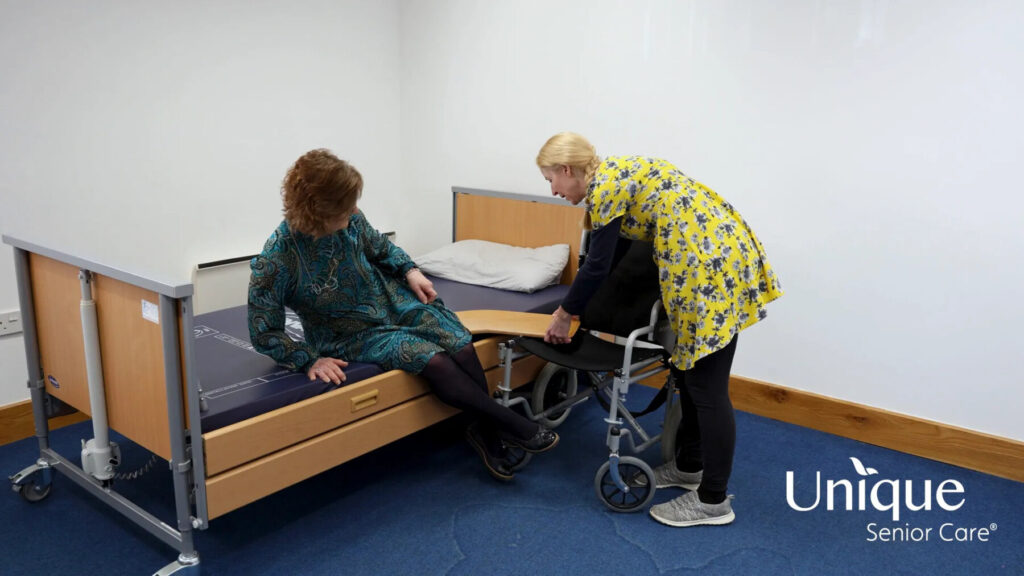
One of our clients, for example, a woman in her 60s, had been managing well at home with a simple care routine. But as her mobility changed, she needed more help with personal care and moving safely around her flat. We worked closely with her Occupational Therapist and local council to extend her care visits, double up support where needed, and bring in additional equipment like a turntable and commode to support with transfers and toileting.
These changes meant she could carry on living at home comfortably and confidently, with her independence still at the centre of everything.
Simple Steps to Get Started
Adapting your home doesn’t need to be overwhelming – and you don’t have to do it all at once. A few simple changes can make a big difference to your safety, confidence, and independence.
If you’re just starting to think about home adaptations, here’s what we recommend:
- Arrange a needs assessment with an Occupational Therapist
- Start with the changes that would make daily life easier or safer now
- Look into what funding or grants you might be eligible for
Most importantly, remember you’re not alone. If you think a bit of extra help at home could make things easier – whether that’s support with daily routines or advice on equipment – our team is here to talk it through with you. Give us a call or get in touch online to see how we can help you stay comfortable and independent in the home you love.

Jo joined Unique Senior Care as a Carer in 2011, transitioning from a nursing background. With 25 years of experience in health and social care, including mental health and children with disabilities, Jo has embraced numerous growth opportunities within the company.
Passionate about learning and development, Jo earned a Level 5 Diploma in this field and is committed to equipping teams with the skills needed for outstanding care.
Jo’s qualifications include advanced training in people handling, risk assessment, safeguarding, basic life support, first aid, health and safety, and dementia care. Jo has also completed numerous workshops and CPD courses, such as the SCIE’s Co-Production webinar.
These accomplishments reflect Jo’s dedication to fostering a culture of safety and excellence in care.