

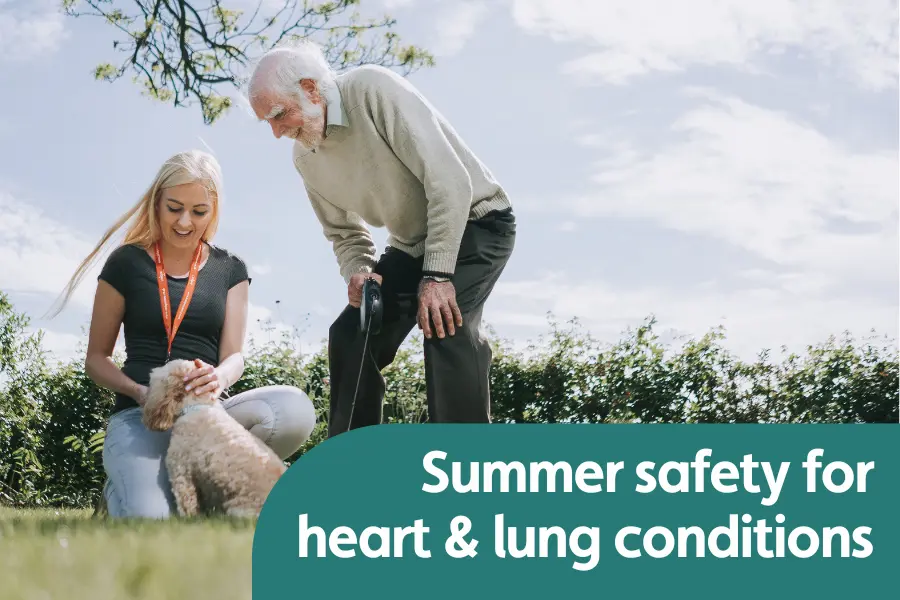
When the sun finally shows its face, most of us are thrilled—but for the elderly living with heart or lung conditions, a hot day can feel like a bit of a challenge. You might notice your loved one slowing down, needing more breaks, or just not quite themselves. Summer can be lovely, but it needs a little extra thought for anyone with COPD, asthma, or heart disease.
In this guide, we’ll chat about why heat is harder on people with conditions like heart disease or COPD, the early warning signs to watch for, and simple ways to keep them safe and comfortable without making life complicated.
Why Hot Weather Is Risky for Seniors with Heart or Lung Conditions
When temperatures rise, the heart has to pump harder to keep the body cool. For someone with heart disease, that extra effort can be a strain. Humid or sticky air can also make breathing feel heavier, which is tough for anyone with COPD or asthma. Even climbing the stairs or walking to the kitchen can feel like running a marathon.
Older adults don’t adapt to sudden temperature changes as quickly as younger people, so they’re more prone to heat exhaustion or even heat stroke. If they also have conditions like diabetes, kidney problems, or circulation issues, their body may struggle to manage fluids and stay cool. That’s why even a short hot spell can creep up on them.
According to Age UK, hospital admissions for heat-related illness can rise by up to 20% during hot spells, and Public Health England highlights that older adults with heart or lung conditions are among the most vulnerable. Even brief exposure to heat can increase the risk of heat exhaustion or worse.

Early Warning Signs Families Should Watch For
Catching problems early can prevent a dash to A&E. Keep an eye out for:
- Breathing getting harder or wheezing – humid air makes it feel like hard work just to breathe.
- Dizziness, tiredness, or seeming spaced out – could be the start of heat exhaustion.
- Swelling in feet, ankles, or legs – often a sign the heart is under strain from the heat.
- Feeling chilly or shivery even in the warmth – sounds odd, but it can signal the body is struggling.
- Racing heartbeat, chest twinges, or palpitations – definite signs to slow down and pay attention.
- Nausea, fainting, or clammy skin – classic heat exhaustion and a warning that heat stroke could follow.
If you spot any of these, get them sitting somewhere cool, offer sips of water, and keep a close watch. Acting early can stop a small wobble from becoming an emergency.
How to Keep Seniors Safe in Hot Weather
Keeping someone safe doesn’t need to be complicated. A few simple habits make a big difference:
- Encourage regular sips: Little and often is easier than big gulps. Squash, cooled tea, or water all do the trick.
- Make the home a cool retreat: Keep curtains drawn in the midday sun, open a window for a breeze, or use a fan if you’ve got one.
- Adjust daily routines: Plan garden time, errands, or walks in the morning or evening. Midday is for relaxing indoors.
- Check medication routines: Some tablets can make heat effects worse. Double-check with the GP if you’re unsure.
- Check in regularly: A quick call, text, or visit helps catch small changes early.
- Follow the forecast: Heatwave warnings are worth listening to—prep extra drinks and shade before the heat peaks.
- Dress for the weather: Loose, light clothing and going easy on caffeine or alcohol help the body stay cool.
- Avoid sudden temperature changes: Moving straight from blazing sun into a chilly room or in front of a fan can make breathing trickier for anyone with COPD or asthma.
Each of these steps supports their heart and lungs by avoiding unnecessary strain and preventing dehydration. Simple actions like these really can make hot days safer and more comfortable.
When to Seek Medical or Emergency Help
Even with the best care, sometimes things can turn quickly. Get help if your loved one has:
- Ongoing chest pain or tightness – never wait to see if it eases.
- Struggling to catch their breath – especially if breathing is already an issue.
- Sudden extreme tiredness, weakness, or collapsing – could be heat exhaustion or worse.
- Fainting, sickness, or sudden confusion – clear signals to call for help.
In the UK, call 999 straight away if symptoms are severe, or 111 for urgent advice. Even if they recover, book a GP check to be safe.
How Professional Home Care Can Help
On hot days, having an extra pair of hands can make all the difference. A professional if we have anocarer can:
- Keep a close eye on health: Spot early changes like swelling, breathlessness, or fatigue.
- Encourage sips and handle medication safely: Making sure nothing gets missed and tablets stay stored correctly.
- Adjust routines: Move meals, baths, and activities to cooler times of the day.
- Offer reassurance: A friendly face popping in can ease everyone’s minds.
Quick Summer Safety Checklist
Here’s a simple checklist you can glance at each morning during hot spells. A few seconds spent checking this can save a lot of worry later:
- Drinks topped up and easy to reach – keep bottles or jugs in reach so sipping is easy.
- Home cool and shaded – curtains drawn in sunny rooms, windows cracked for a breeze if it’s safe.
- Any outdoor jobs planned for cooler times – early morning or evening for gardening or short walks.
- Medications taken and stored correctly – and check that nothing is sitting in a hot spot.
- A check-in or visit scheduled – a text, call, or pop-in makes a big difference.
- Light, airy clothes ready – cool cottons and layers they can easily add or remove.
- Weather checked for heat alerts – so you can tweak plans if the temperature spikes.
Enjoy Summer Safely with a Little Extra Help
If you’re juggling lots of priorities and are a bit worried about a loved one at home, it’s worth getting in touch. Caring for someone in warm weather is mostly about being aware and taking small, sensible steps. A friendly carer can make it easier without any fuss—they can pop in to check your loved one is drinking enough, give a gentle reminder about tablets, and share a friendly chat so they don’t feel on their own.
If you’d like to see how we can lend a hand this summer—or simply want a relaxed chat about care options—just give us a call. A little support can make warm days easier and more enjoyable for everyone.

Jo joined Unique Senior Care as a Carer in 2011, transitioning from a nursing background. With 25 years of experience in health and social care, including mental health and children with disabilities, Jo has embraced numerous growth opportunities within the company.
Passionate about learning and development, Jo earned a Level 5 Diploma in this field and is committed to equipping teams with the skills needed for outstanding care.
Jo’s qualifications include advanced training in people handling, risk assessment, safeguarding, basic life support, first aid, health and safety, and dementia care. Jo has also completed numerous workshops and CPD courses, such as the SCIE’s Co-Production webinar.
These accomplishments reflect Jo’s dedication to fostering a culture of safety and excellence in care.