


Summary: This guide explains how complex care can be safely supported at home for people who need help with PEG feeding, catheter care or stoma care. It covers what complex care means, when nursing input is needed, how home care teams work alongside District Nurses, and what day-to-day life can look like at home. It is written for families who are deciding whether care at home is possible, either urgently or over time.
When you or a loved one is living with a condition that requires more specialist support, such as PEG feeding, stoma care or catheter care, it can feel unsettling. Perhaps these needs were once manageable without intervention, or they may be new following an illness or hospital stay. It is natural to wonder whether this can still be managed safely and comfortably at home and, if so, how that works in practice. The good news is that, with the right support in place, these needs can often be supported at home. In this blog, we explain how that happens.
Can Care Still Happen at Home When Needs Become More Complex?
When a person or their families are told that a loved one needs more support than before, it can feel unsettling. Things often change quickly, with new information to take in and a sense that decisions need to be made sooner than you might like. It is very common to start questioning whether home is still the right place.
In many situations, increased or changing health needs do not automatically mean someone has to leave their home. With the right support in place, many people continue to live at home even as their care becomes more involved. This can provide a sense of steadiness and familiarity at a time when a lot else may feel uncertain.
Support at home in these circumstances is usually shared. Home care teams often work closely with NHS services, such as District Nurses, so that both day-to-day care and health needs are properly looked after. This joined-up way of working helps care remain safe, consistent, and flexible as needs change.
What Do We Mean by Complex Care at Home?
The term complex care is often used when someone needs more than everyday help at home, but it can mean different things to different people. In simple terms, it usually describes a situation where a person’s health needs require closer oversight, more planning, or support that goes beyond routine personal care.
This might be because someone’s condition has become more unpredictable, because they need help with certain health-related tasks, or because there is a higher risk if something goes wrong. What makes care ‘complex’ is not just the task itself, but the level of need, monitoring, and coordination involved.
In practice, complex care at home is usually a shared effort. Home care teams support day-to-day living, while NHS professionals such as District Nurses remain accountable for assessing needs, reviewing care, and providing clinical oversight. This helps ensure that care is safe, appropriate, and responsive as circumstances change.
Some elements of care may be carried out by Caregivers following training and guidance from healthcare professionals. This is often referred to as delegated care. The healthcare professional remains responsible for deciding what can be delegated and for making sure care is effective through regular reviews and assessment.
It is also important to know that complex care is not defined by a single task alone. Support with PEG feeding, catheter care or stoma care may form part of complex care for some people, but not for others. The overall picture, including health risks, confidence, and the level of clinical involvement needed, is what matters most.

When Is Clininal Input Needed at Home?
Clinical input is usually needed when someone’s health needs become more involved, less predictable, or carry a higher level of risk. This often becomes clearer after a hospital stay, when a new diagnosis is made, or when a long-term condition changes and requires closer monitoring.
Situations where clinical input may be important include discharge from hospital, living with a neurological condition, managing multiple health conditions at once, or experiencing a gradual decline that makes everyday care more complicated. In these moments, families are often trying to understand not just what support is needed, but who is responsible for providing it.
It can help to think of clinical input as different from day-to-day social care support. Nurses are responsible for clinical assessment, decision-making, and oversight. They review health needs, monitor risks, and assess which elements of care require clinical involvement. Day-to-day care, such as personal support and routine tasks, is usually provided by trained Caregivers.
In practice, people are often supported by a combination of District Nurses and Caregivers working together. This shared approach helps ensure that clinical needs are properly overseen, while regular social care continues in a consistent and familiar way at home.

How Clinical Tasks Are Safely Supported at Home
When care needs change, families often want to know how decisions are made and who is involved. Support at home is never put in place lightly. Instead, it is planned carefully around the individual, taking into account their health, their home, and what feels manageable for them and their family.
A healthcare professional, such as a District Nurse, is usually involved in assessing health needs and identifying where clinical input is required. Together with the wider social care team, they help decide which parts of care need close clinical oversight and which can be safely supported day to day at home.
This is where clear care planning becomes important. A care plan helps everyone understand what support is in place and how different professionals work together. In some cases, Caregivers may support certain health-related tasks after receiving specific training and guidance from a registered healthcare professional. This approach, known as delegation, means tasks are only supported when it is safe to do so, and they continue to be reviewed regularly.
Before they support with any delegated tasks, Caregivers are trained and assessed to make sure they feel confident, know what to look out for and, crucially, can carry out the task safely. Just as importantly, they know when to raise concerns or ask for advice. Ongoing supervision and regular reviews help ensure care stays safe and appropriate as needs change.
Throughout all of this, the focus remains on the person. Care is shaped around their routines, preferences, and comfort, so that clinical tasks fit into everyday life rather than taking over it.
PEG Feeding at Home: What Families Need to Know
PEG feeding is used when someone is unable to eat or drink enough by mouth to meet their nutritional needs. This may be due to swallowing difficulties, reduced appetite, fatigue, or conditions that affect how safely food and drink can be taken, such as neurological conditions or recovery after a stroke.
A PEG tube delivers nutrition, fluids, and medication directly into the stomach. Families are often introduced to this during a hospital stay, and it can feel daunting at first, especially when thinking about how this will work at home.
In many cases, PEG feeding can be safely supported at home. The feeding plan is set and reviewed by healthcare professionals, with ongoing clinical oversight usually provided by NHS teams such as District Nurses. This helps ensure nutrition and hydration are managed safely.
Day to day, PEG feeding at home is usually supported around normal routines as much as possible. Caregivers may support feeding, flushing the tube, and keeping the area clean, following clear guidance and training. People are not expected to manage this alone at home, and support can be adjusted if needs change.
Good hygiene and regular checks are an important part of PEG care, including looking after the skin around the tube and knowing when to seek advice. Guidance from specialist organisations such as the British Association for Parenteral and Enteral Nutrition helps inform safe practice.
For many people, reassurance comes from knowing that PEG feeding does not have to take over daily life. With the right planning and support, it can become part of a wider care routine that allows someone to remain at home, supported and comfortable.
Catheter Care at Home: Day-to-Day Support and Monitoring
A urinary catheter is usually introduced when someone has difficulty passing urine naturally. This might be due to weakness in the bladder, nerve damage that affects bladder control, or a blockage that prevents urine from draining properly, such as prostate enlargement or scarring. Catheters are also sometimes used around surgery, either temporarily or as part of longer-term recovery.
Catheter care at home then becomes part of everyday support when someone needs ongoing help to stay comfortable and avoid complications. For many people, concerns centre around hygiene, dignity, and the risk of infection, particularly in the early days after a catheter is introduced.
Day to day, catheter care focuses on keeping the area clean, making sure the catheter is positioned comfortably, emptying and changing the catheter bag regularly and monitoring for any changes. Caregivers support this as part of routine personal care, helping reduce discomfort and maintain confidence, while being mindful of privacy and dignity at all times.
Knowing what to look out for is an important part of safe catheter care. Changes such as discomfort, leakage, cloudy urine, or signs of infection should always be taken seriously. In these situations, or if a catheter becomes blocked or dislodged, a Nurse will need to review the situation and decide what action is needed.
Clear guidance and support from healthcare professionals help ensure catheter care remains safe at home. Trusted organisations such as Bladder & Bowel UK provide practical information and support that can help you understand what good catheter care looks like and when to seek advice.
Stoma Care at Home and Other Clinical Tasks
Stoma care at home is often introduced following surgery or as part of managing a long-term condition. It involves supporting the stoma site, changing or emptying bags as needed, and keeping the surrounding skin healthy. This can feel unfamiliar at first, particularly when learning what is normal and what may need further advice.
With the right guidance and support, stoma care can usually be managed safely at home. Caregivers may help with routine aspects of care, following clear instructions and training, while healthcare professionals remain involved in monitoring skin health, comfort, and any complications. Support is adjusted over time as confidence grows or needs change.
Some people require more than one type of clinical support, such as stoma care alongside PEG feeding or catheter care. In these situations, care planning becomes especially important. A personalised care plan helps make sure each element of support fits together sensibly, avoids duplication, and reflects the person’s priorities and daily routines.
Trusted organisations such as Colostomy UK provide clear, practical information for people living with a stoma and their families. This kind of guidance can help families feel more confident and know when to seek additional support.

A Real Example of Partnership Working at Home
It can help to see how complex care works in real life.
Mr B. lives with advanced Parkinson’s disease, which has had a big impact on his movement and independence. He spends most of his time in bed and lives with ongoing pain linked to spinal problems and hernias. He also has a catheter and a stoma, both of which need regular care and support. Even with these challenges, Mr B. was clear that he wanted to stay at home, in familiar surroundings, rather than move into residential care.
Making this possible relied on people working closely together. A Live-in Caregiver provided day-to-day support, helping Mr B. stay comfortable, maintain his routine, and feel supported in his own home. District Nurses continued to look after the clinical aspects of his care, including the catheter and stoma, offering guidance and stepping in when needed. An Occupational Therapist looked at how Mr B. moved and rested, recommending equipment and small adjustments to make him more comfortable and reduce the risk of injury.
Because everyone stayed in touch and shared information, care could change as Mr B.’s needs changed. Pain relief was reviewed, equipment was adapted over time, and any concerns were picked up early.
As a result, Mr B. was able to remain at home, supported in a way that balanced his health needs with what mattered most to him. The example shows how thoughtful partnership working can help people with complex needs stay at home, with dignity, comfort, and continuity.
How Complex Care Is Planned and Overseen
Complex care at home is not something that is set up once and then left unchanged. It begins with an initial assessment, usually involving healthcare professionals alongside the home care team, to understand a person’s health needs, daily routines, and what support is already in place. This helps ensure care is appropriate from the outset and tailored to the individual.
Once care is underway, different professionals continue to work together. Nurses remain involved in reviewing health needs and providing clinical oversight, while Caregivers focus on day-to-day support and consistency at home. Clear communication between everyone involved is important, particularly if there are any changes in health, confidence, or routine.
Care plans are reviewed regularly rather than treated as fixed. Ongoing reviews allow care to adapt as needs change, whether that means increasing support, adjusting routines, or involving additional healthcare professionals. This ongoing oversight can be reassuring, as it means concerns can be raised and addressed rather than managed alone.
What Daily Life Looks Like With Complex Care at Home
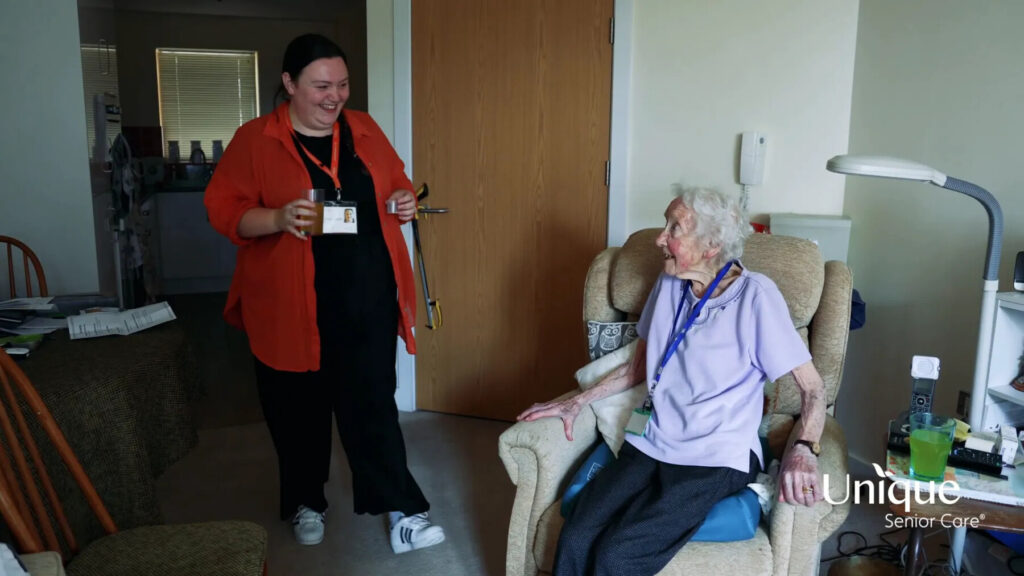
One of the biggest worries for families is whether clinical care will take over everyday life. In practice, the aim is usually the opposite. Support is built around existing routines as much as possible, so that meals, rest, family time, and familiar habits can continue with minimal disruption.
Caregivers work in a way that respects privacy, dignity, and personal preferences. This might mean supporting care quietly in the background, adapting routines to suit the person, or giving space where independence can be maintained. Clinical tasks are fitted into the day, rather than becoming the focus of it.
For many, reassurance comes from seeing that home can still feel like home. Familiar surroundings, known faces, and consistent routines can provide comfort and stability, even when health needs are more complex. Over time, care often becomes part of daily life rather than something that defines it.
Understanding the Next Steps for Your Family
If you are reading this while trying to make sense of new or changing care needs, you may be feeling under pressure to act quickly. Sometimes support is needed urgently, particularly after a hospital stay or a sudden change in health. In other situations, there may be a little more time to explore options.
Complex care at home does not always follow a single path. Support can sometimes be put in place quickly, and it can also be adjusted over time as needs become clearer. What matters most is understanding what is possible and making sure the right people are involved.
If you are unsure what support might be appropriate, or need help urgently, it can be useful to talk things through with someone experienced in complex care at home. A conversation can help bring clarity, whether you are facing an immediate decision or planning the next step.
References
Discover More for Your Care Journey
Visit our Care Advice Hub for expert articles, helpful videos, in-depth guides, and answers to common questions - helping you make informed care decisions with confidence.

With over 30 years of experience in the care industry, providing outstanding care has always been Helena’s core mission.
Helena has been a dedicated member of Unique Senior Care for 10 years, starting as Care Manager and advancing to Head of Extra Care and now serving as Director of Operations.
She holds a Level 5 Diploma in Leadership for Health and Social Care and Children and Young People’s Services (England), as well as a Diploma in Welfare Services. Helena has completed various leadership and management courses, enhancing her expertise in the care industry.
Helena has authored published articles, including one for Skills for Care on managing change through the COVID pandemic. She has a steadfast commitment to advocating for and supporting those in need, ensuring their voices are heard and their rights upheld.